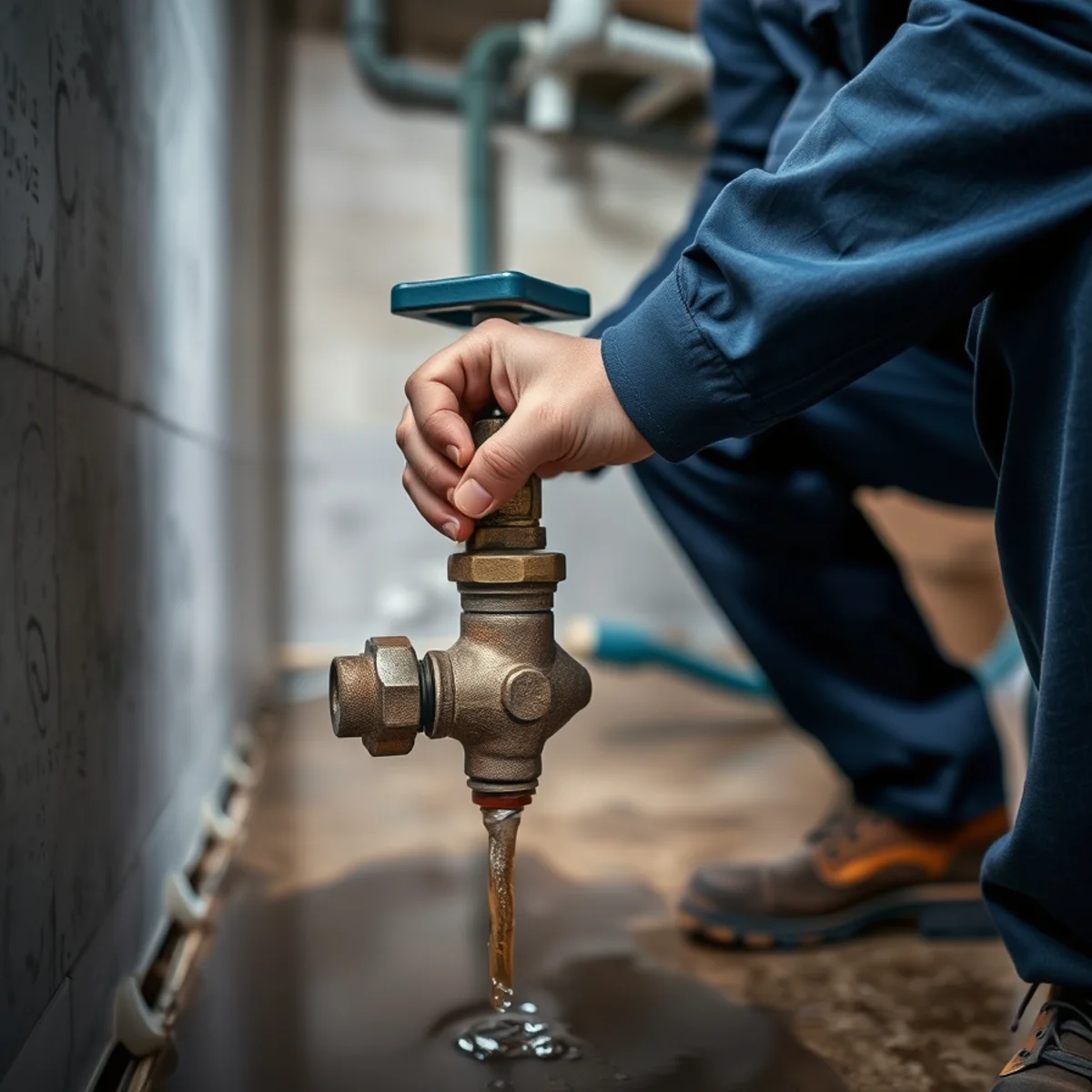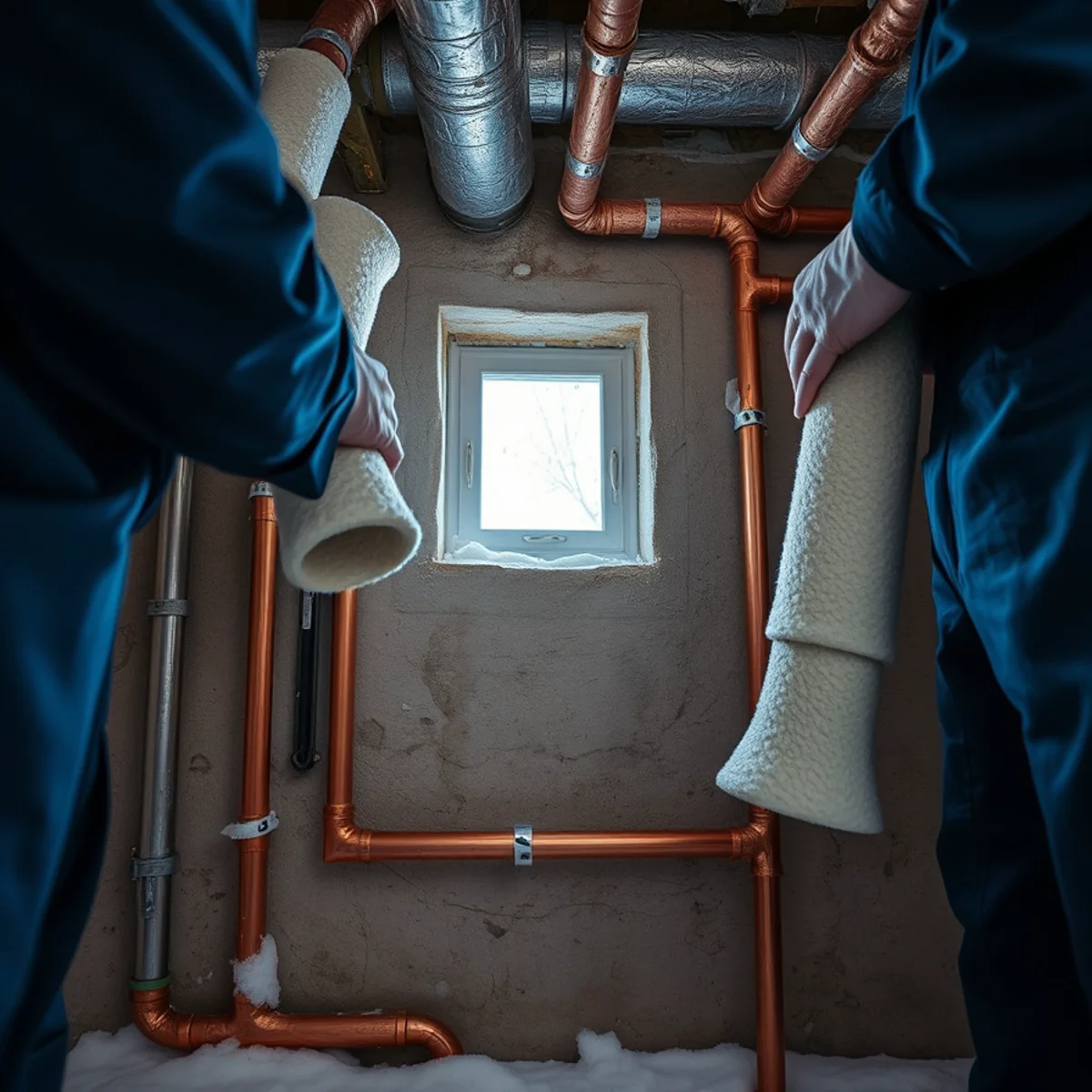
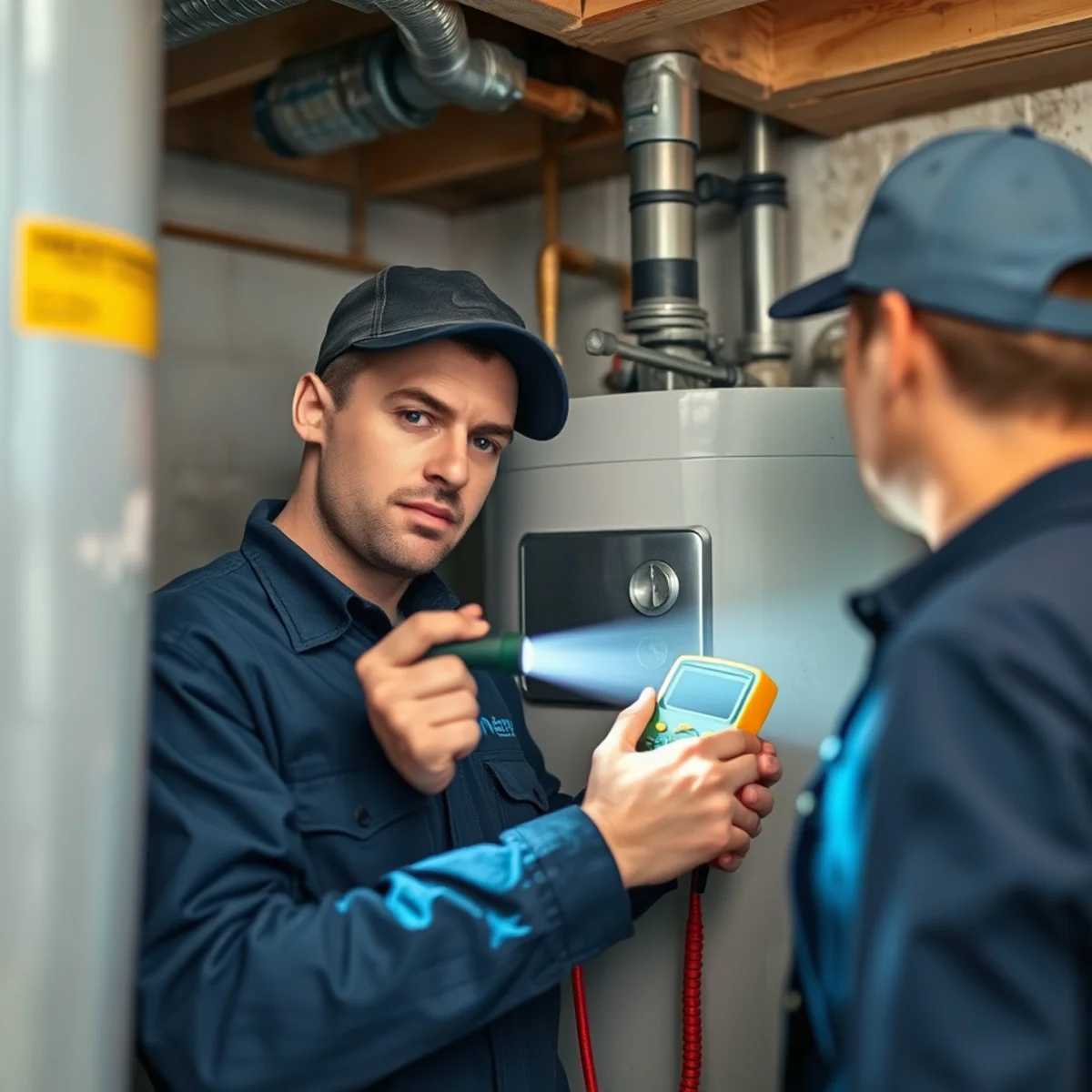
A cold shower on a January morning in Herkimer is a rough way to start the day.
When the hot water disappears, the cause is usually one of a short list of failures. Some you can check in five minutes. Some need a plumber. Here are the eight most common reasons your water heater quit, and how to tell them apart.
First, is it gas or electric?
Before anything, know which kind you have. It decides the entire checklist.
A gas water heater has a burner, a pilot or igniter, and a flue running out the top. An electric unit has a wire conduit and no flue. Gas units fail at the burner and pilot. Electric units fail at the breaker and heating elements.
Got it? Now the eight usual suspects.
The 8 reasons you have no hot water
1. The pilot light or igniter went out (gas)
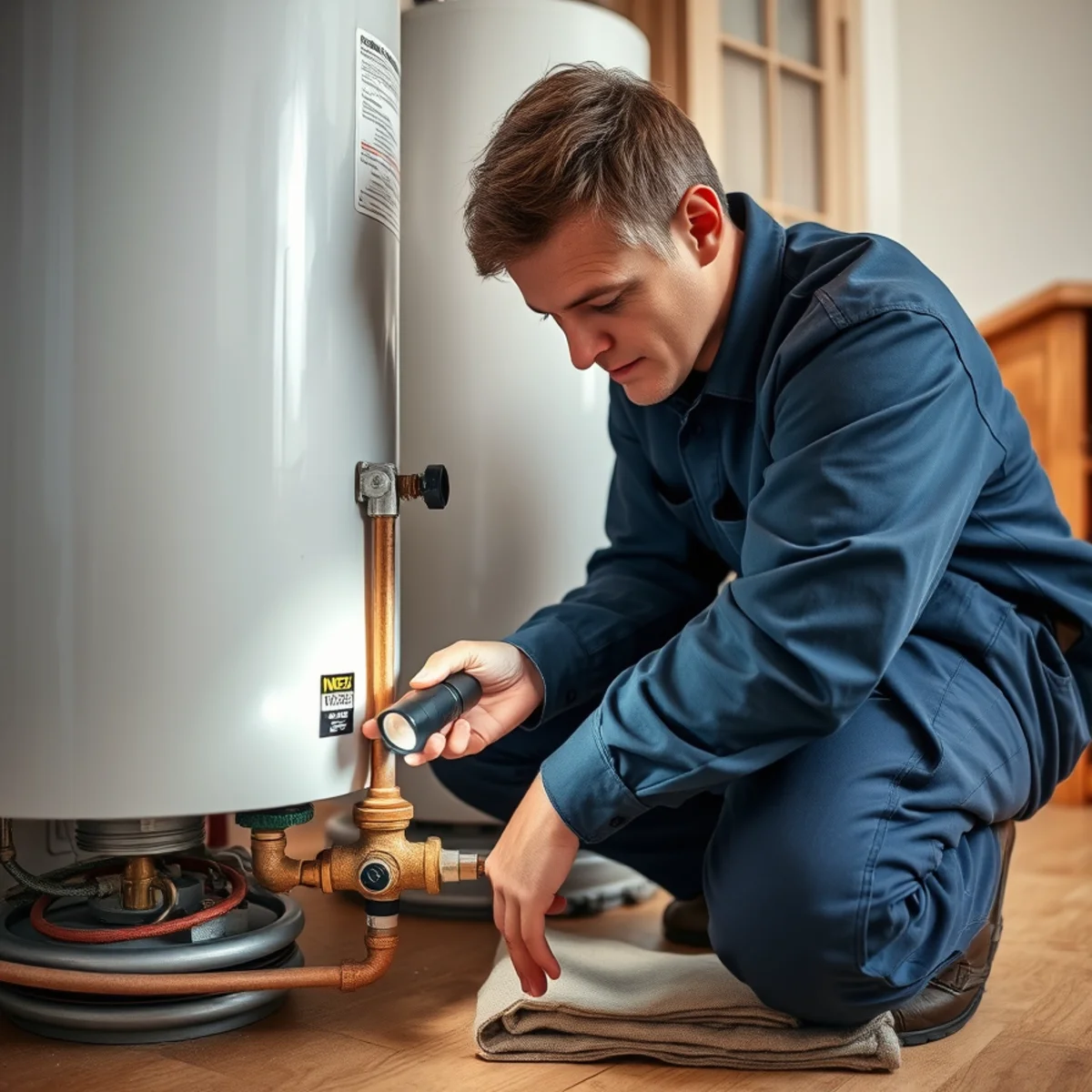
On a gas heater, no flame means no hot water. Older units have a standing pilot light that can blow out. Newer ones use an electronic igniter that can fail.
A pilot that will not stay lit is often a deeper issue — see the thermocouple next.
2. A bad thermocouple (gas)
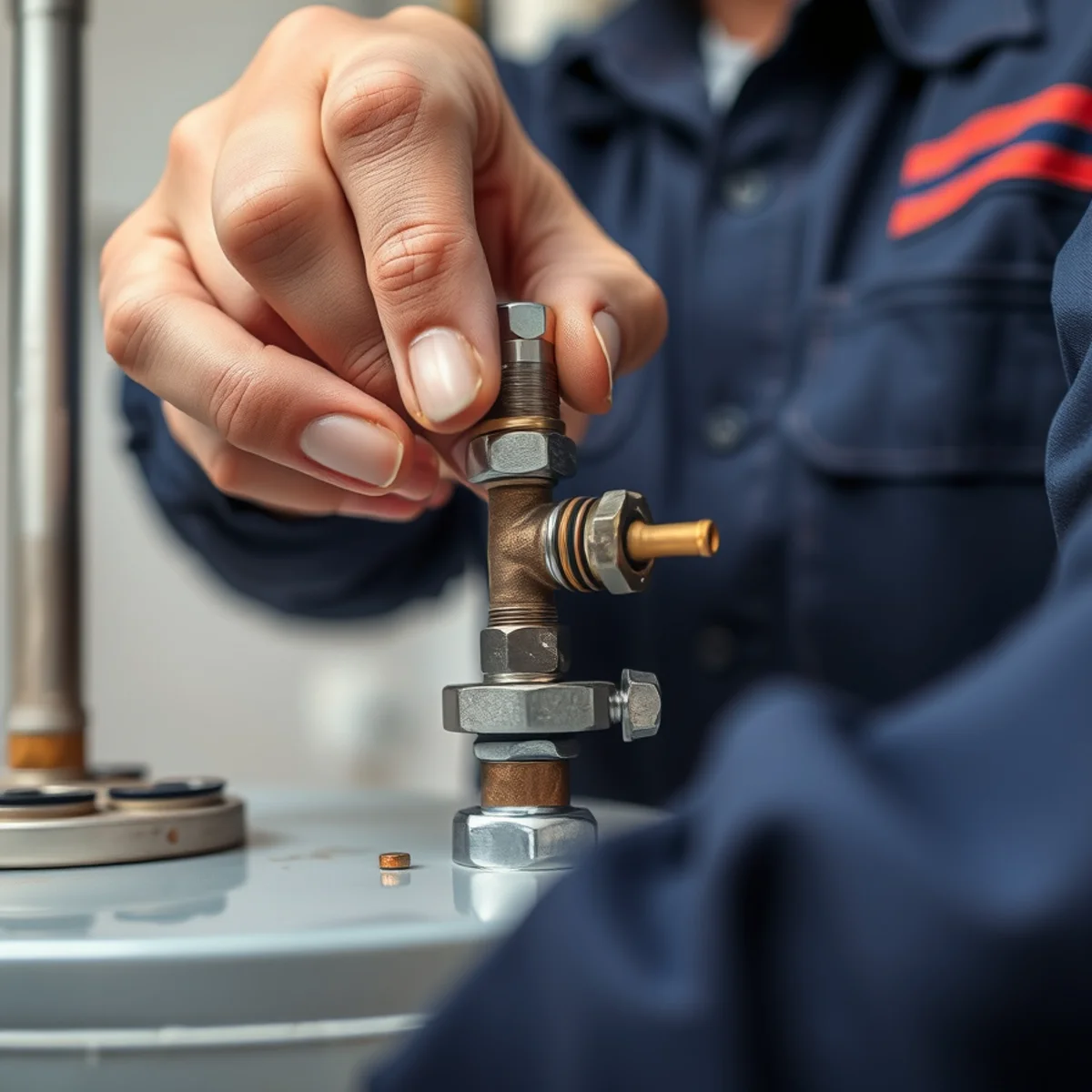
The thermocouple is a safety sensor. It confirms the pilot is lit and keeps the gas valve open. When it fails or gets dirty, it shuts the gas off as a safety measure, and the pilot dies within seconds every time.
This is one of the most common gas water heater failures, and it is a routine repair.
3. A tripped breaker or failed element (electric)
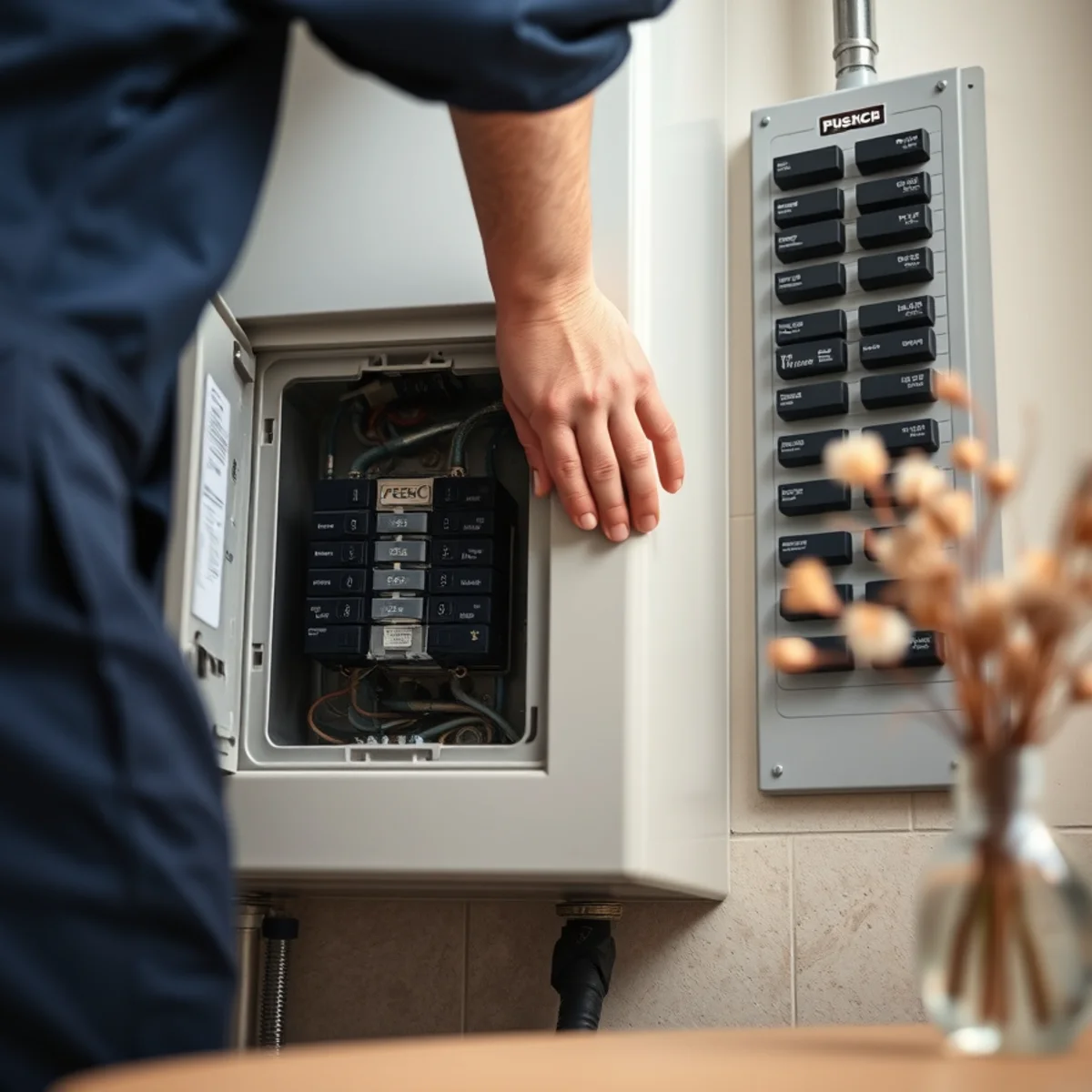
On an electric unit, start at the panel. A tripped breaker is the simplest fix there is. Reset it once.
If it trips again, stop. That points to a shorted heating element or a wiring fault that needs a pro. Electric heaters have two elements, and when the lower one burns out you often get a little warm water that runs cold fast.
4. A failed thermostat
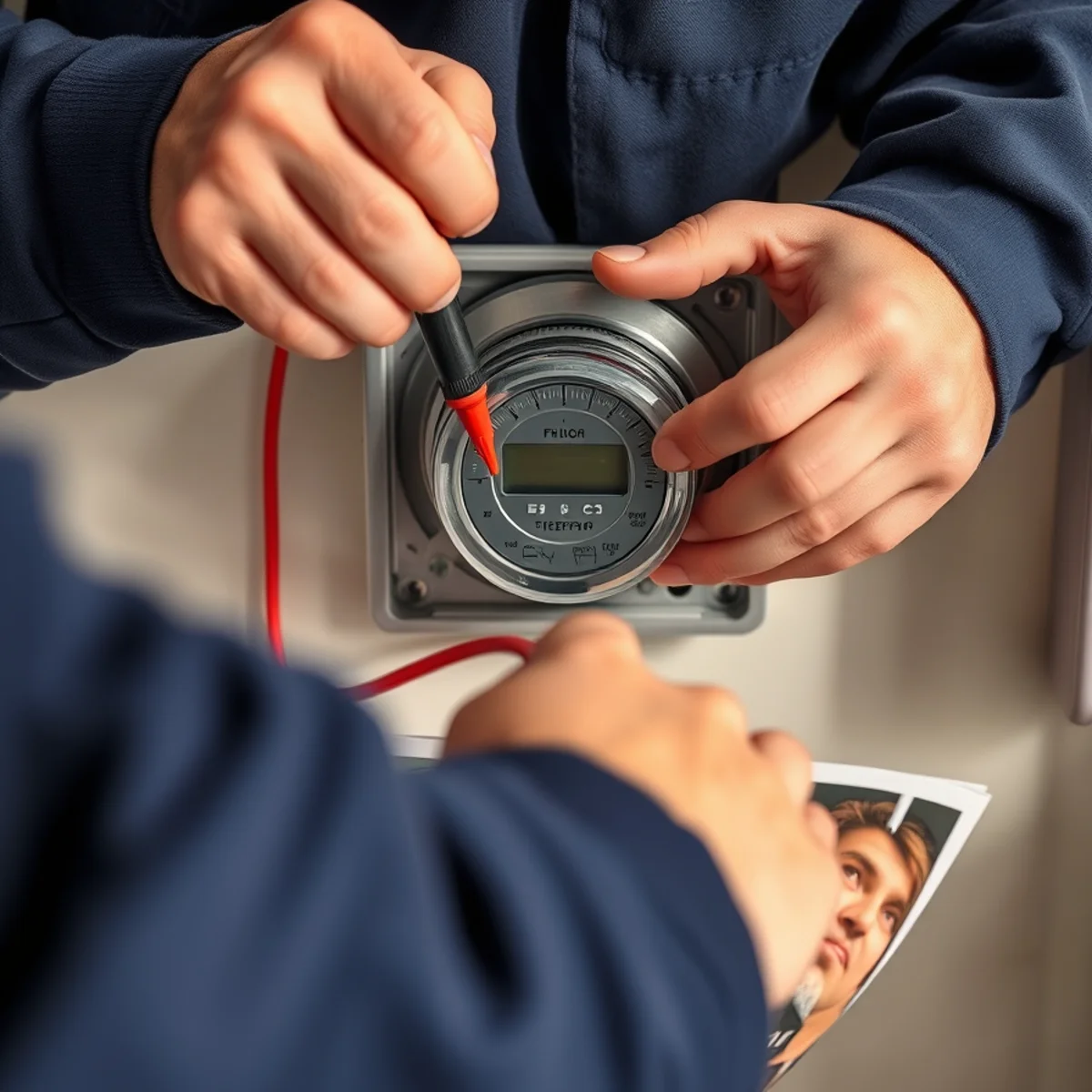
Both gas and electric heaters use thermostats to control temperature. A dead thermostat can leave you with no heat at all, or water that never gets properly hot. Electric models have an upper and a lower thermostat, and either can fail.
5. Sediment buildup in the tank
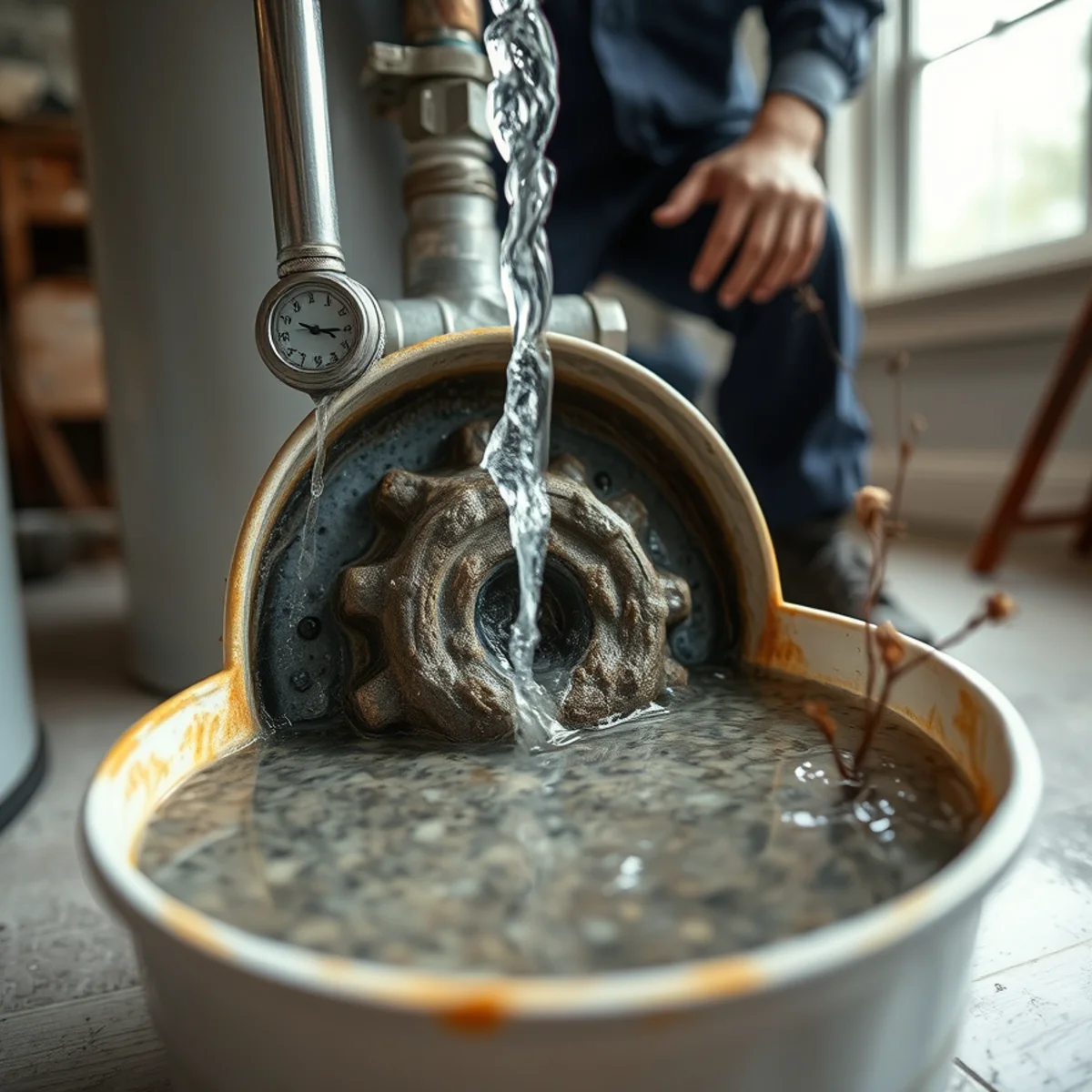
This one is big in our area, and it deserves its own section below. Minerals settle to the bottom of the tank and insulate the water from the burner or element. You get less hot water, longer recovery, popping and rumbling sounds, and eventually a dead unit.
6. A broken dip tube
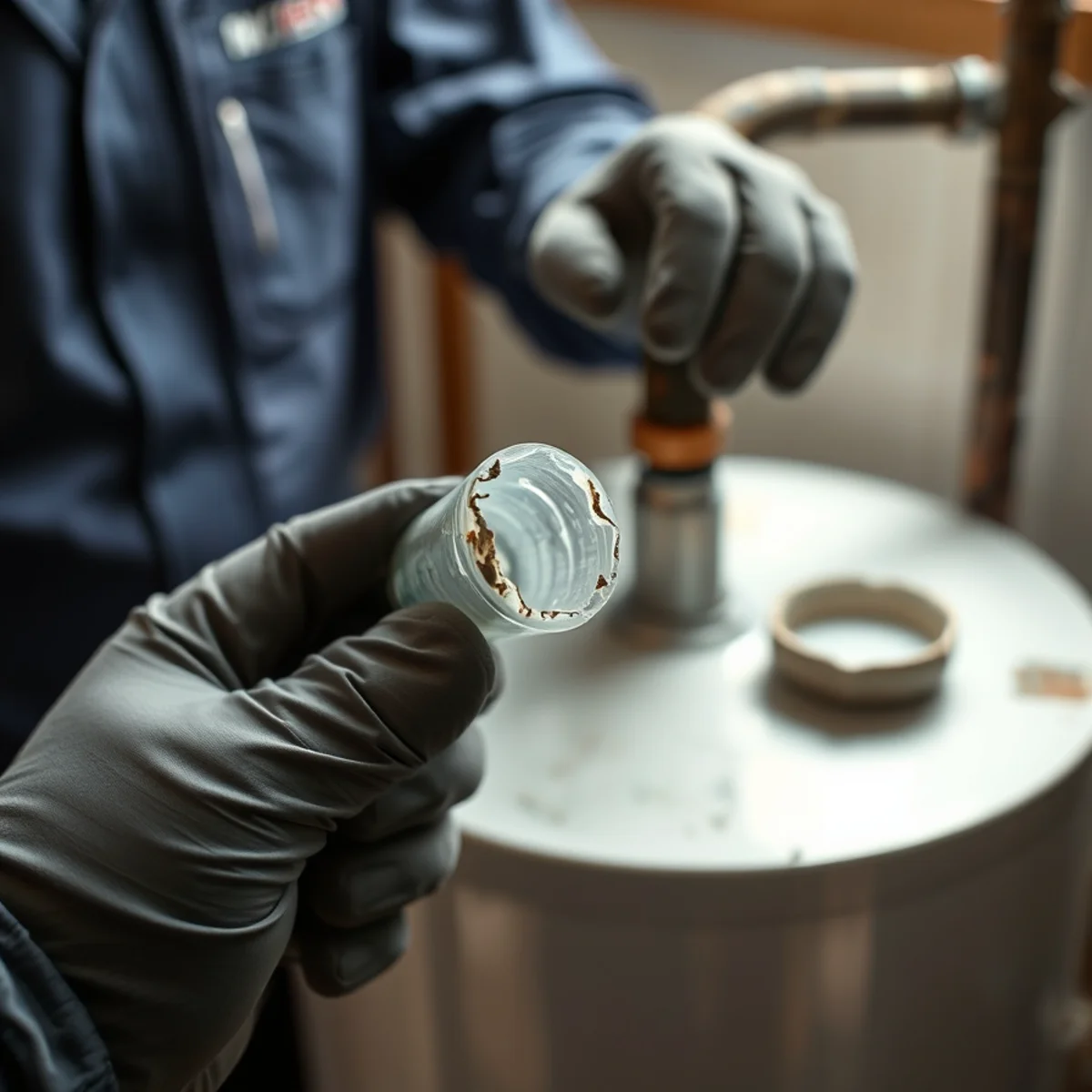
The dip tube carries incoming cold water to the bottom of the tank so it heats before rising to your faucets. When it cracks or breaks, cold water dumps in at the top and mixes straight into your hot supply.
The tell: your hot water turns lukewarm and runs out much faster than it used to.
7. The unit is simply undersized
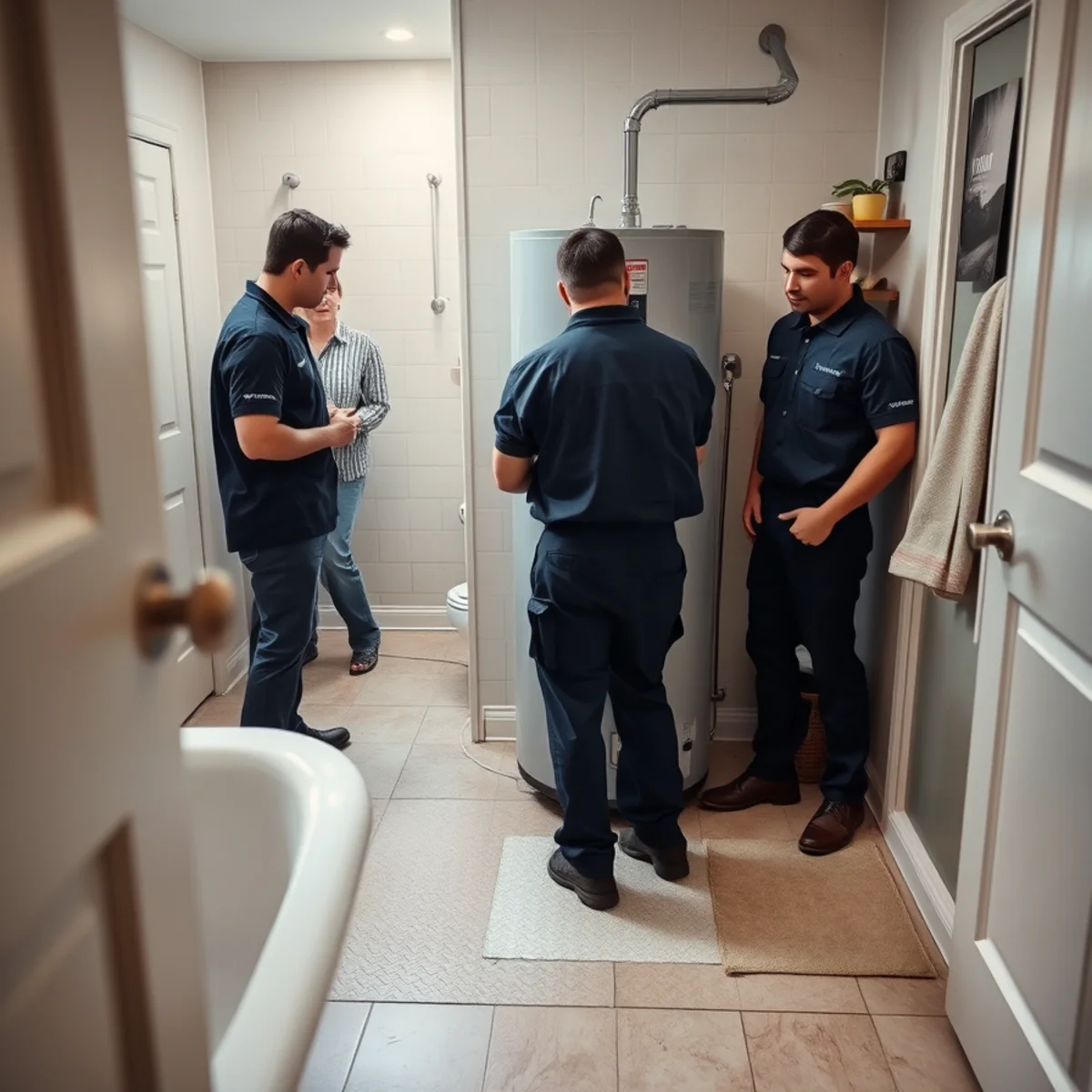
If you never quite have enough — the last person in the shower always loses — the heater may be too small for the household. This is not a breakdown. It is a mismatch. A growing family or an added bathroom can outrun a tank that was fine ten years ago.
8. Tank failure or a leak
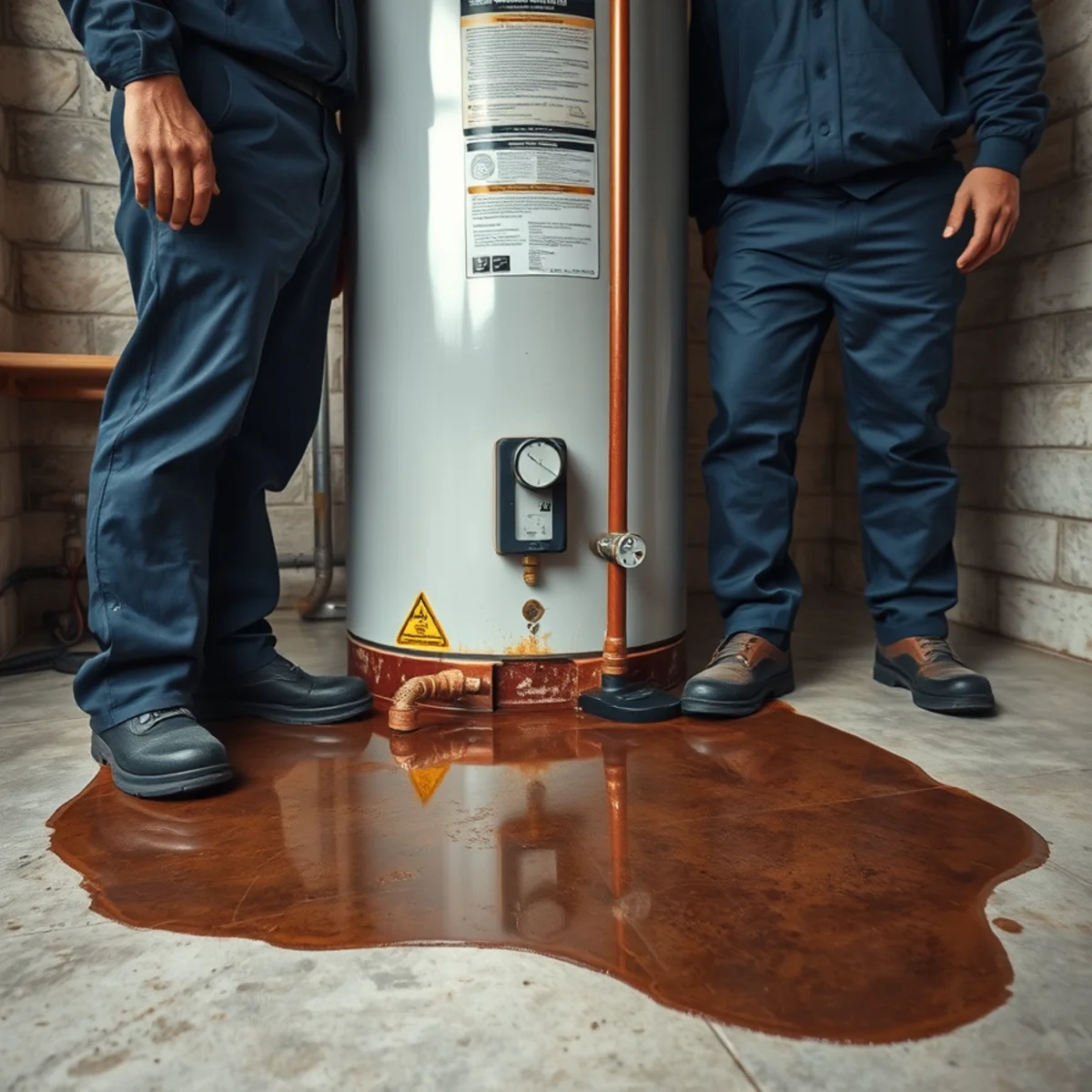
Water heaters do not last forever. When the steel tank corrodes through, you get rusty hot water, then a leak, then a flooded floor.
A leaking tank cannot be repaired. It has to be replaced — and fast, before it lets go entirely. A tank that ruptures dumps forty or more gallons across your basement in minutes. That is when a water heater problem becomes a call to our water cleanup and restoration crew on top of everything else.
What you can safely check yourself
A few things are fair game before you call:
Check the breaker on an electric unit and reset it once.
For a gas unit, look through the access panel to see whether the pilot or burner is lit.
Make sure a gas control knob was not bumped to Pilot or Off.
Confirm nobody dialed the thermostat down.
That is the safe limit. Do not open sealed compartments, do not touch gas valves or wiring, and never ignore a gas smell. If you smell gas, leave the house and call from outside. Beyond those basic checks, water heaters involve gas, high-voltage electricity, and scalding water — leave the rest to a trained tech.
Repair or replace?
A single failed part — thermocouple, element, thermostat, dip tube — is usually a straightforward repair on a heater with life left in it.
Replacement makes more sense when the tank itself is leaking, when rusty hot water shows the tank is corroding, or when an aging unit needs its second or third repair. Age matters: a heater well past its expected lifespan is worth replacing rather than nursing along one part at a time.
We give you the honest version. If a water heater repair will get you years more, we say so. If you are throwing money at a dying tank, we say that too, and we lay out the cost factors up front before any work starts.
Why our water eats water heaters
Sediment is the quiet killer of water heaters across the Mohawk Valley. A lot of homes here run on hard water, and homes out in the county on private wells often have heavy mineral content on top of that.
Those minerals cook out of the water and pile up on the bottom of the tank. The layer insulates the heat source, so the burner or element works harder, runs longer, and wears out sooner. It also robs you of capacity — that hot shower gets shorter every year.
Flushing the tank once a year clears the sediment and can add real life to the unit. It is one of the cheapest things you can do for a water heater in Herkimer or Utica, and most people never do it.
Get your hot water back
No hot water is not always an emergency, but a leaking tank or a gas problem can be. Either way, you should not be stuck taking cold showers while you guess at the cause.
Our techs — Andrew, Jason, and Steve among them — diagnose the real problem and fix it, day or night. For a sudden leak or a gas concern, our emergency plumbers are ready around the clock, and a real person answers.
If you have no hot water and cannot pin down why, call Roto Drains at (207) 419-2600 and we will get you sorted.
Frequently Asked Questions
Why do I get a little hot water that runs out fast?
Should I repair or replace a leaking water heater?
How often should I flush my water heater around here?
Written by the Roto Drains team — licensed & insured plumbers serving Herkimer & the Mohawk Valley, 24/7.
Roto Drains is a full-service plumbing, drain cleaning, water cleanup and restoration company. We specialize in emergency same-day service and can handle any job from a clogged toilet to a full sewer, water main, well, septic, cesspool replacement and everything in between. Open 24/7!