Winter Here Is Hard on Pipes
A Mohawk Valley winter does not mess around. We get stretches where the temperature sits below zero for days, and that kind of deep cold is exactly what freezes and bursts pipes.
A frozen pipe is bad. A burst pipe is a flooded home. The good news is that most freeze-ups are preventable with a little effort before and during the cold snaps.
Here is how to keep your pipes from freezing this winter, and what to do if one does.
Why Pipes Freeze and Burst
Water expands as it freezes. Inside a closed pipe, that expanding ice has nowhere to go, so pressure builds between the ice blockage and the closed faucet downstream.
Here is the part that surprises people. The pipe usually does not split where the ice is. It splits from the pressure, and often the actual burst and flood happen on the thaw, when the ice melts and water rushes through the crack the ice created.
That is why a pipe can freeze on the coldest night and only flood your basement two days later, when it warms up.
Which Pipes Freeze First
Not all pipes are at equal risk. The ones that freeze are the ones exposed to cold:
- Pipes in unheated basements and crawl spaces
- Lines running through exterior walls
- Plumbing in an attached but unheated garage
- Outdoor spigots and hose bibs
- Pipes under sinks on an outside wall
- Any line near a draft, vent, or gap in the foundation
Older homes around Herkimer and Little Falls are especially prone, since many have uninsulated basements, stone foundations with gaps, and original supply lines run along cold exterior walls.
Before the Cold: Prevention That Works
A few hours of prep in the fall prevents most winter freeze-ups.
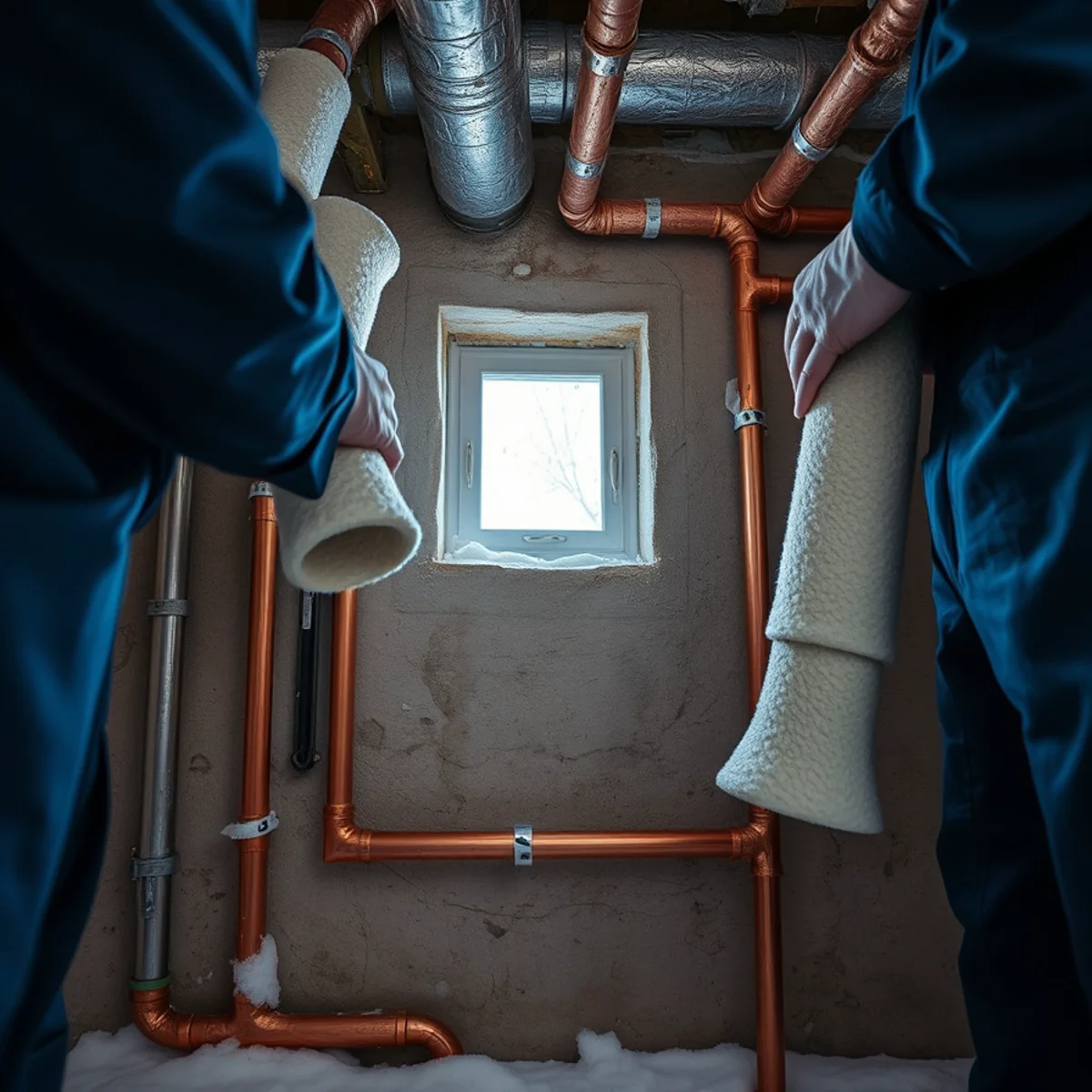
Insulate exposed pipe. Foam pipe sleeves from the hardware store slip over vulnerable lines in the basement, crawl space, and garage. For high-risk spots, heat tape or heat cable adds a layer of protection.
Seal the drafts. Find where cold air gets in near pipes: rim joists, foundation cracks, vents, and gaps where lines pass through walls. Caulk or foam them shut. A cold draft on a pipe is what freezes it.
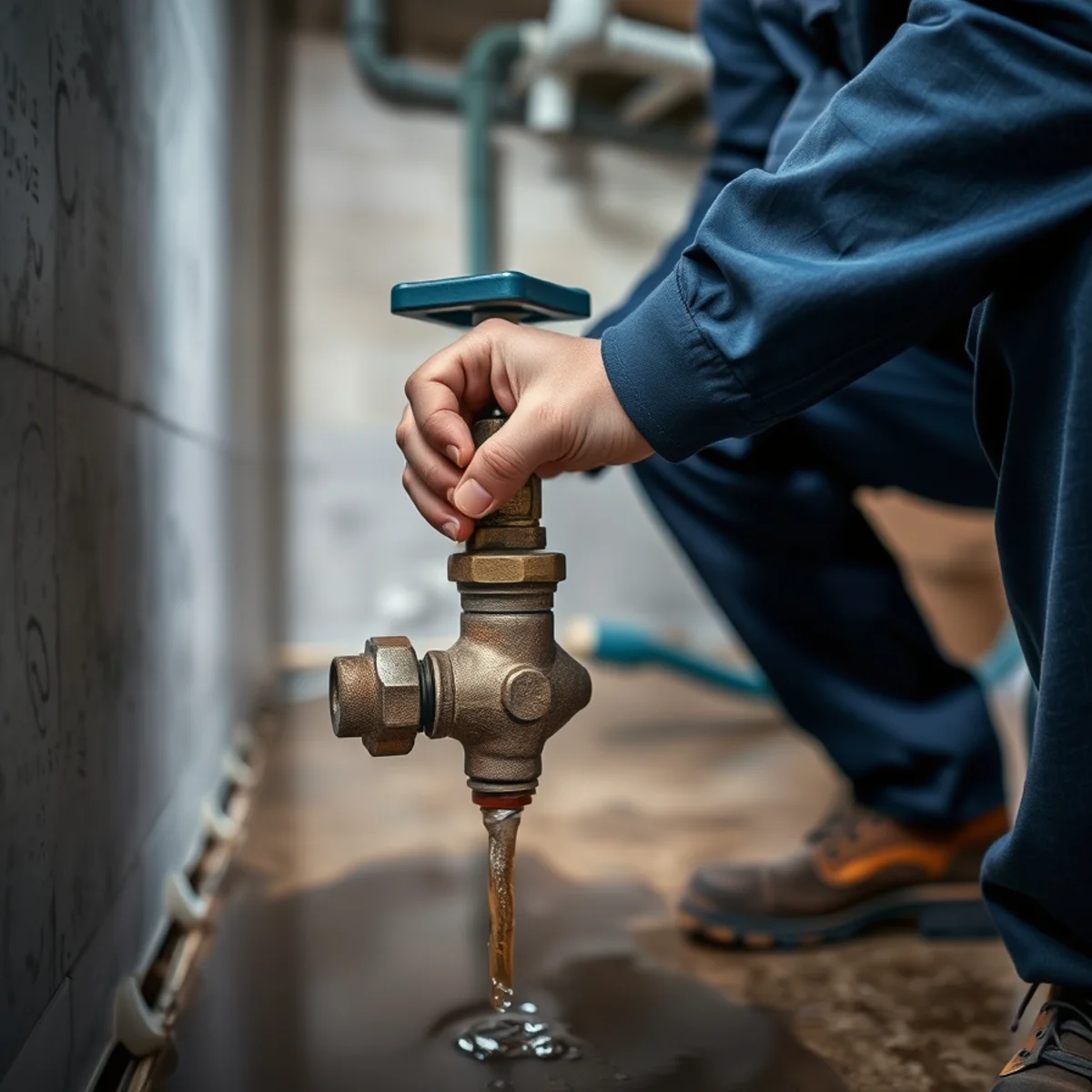
Handle outdoor faucets. Disconnect and drain garden hoses, shut off the interior valve that feeds each outdoor spigot, and drain the line. A hose left connected traps water that freezes back into the wall.
Know where your main shut-off is. If a pipe does burst, shutting the water fast is the difference between a mess and a disaster.
During a Cold Snap: Daily Habits
When the forecast drops below zero, change how you run the house.
- Let a faucet drip. A thin stream of moving water resists freezing, especially on lines against exterior walls. Choose the faucet farthest from where the water comes in.
- Open cabinet doors under sinks so household heat reaches the pipes behind them.
- Keep the heat on and steady. Do not drop the thermostat too low at night during a hard freeze, and never below 55 degrees if you can help it.
- Going away? Do not shut the heat off. Leave it at 55 or higher and have someone check the house. Better yet, shut off the main and drain the lines if you will be gone through a deep freeze.
If a Pipe Freezes
A faucet that gives only a trickle when it is bitter cold usually means a pipe is frozen. Act before it bursts.
- Open the faucet the pipe feeds, so water and pressure can escape as the ice melts.
- Find the frozen section, usually along an exterior wall or in an unheated space.
- Warm it gently with a hair dryer, a space heater kept at a safe distance, or towels soaked in hot water. Start near the faucet and work back toward the ice.
- Never use an open flame or a torch. You will start a fire or damage the pipe.
- If you cannot reach the frozen spot, or the pipe has already burst, shut off the main and call a plumber.
Keep the faucet running once flow returns. Moving water helps clear the rest of the ice.
When a Freeze Becomes an Emergency
If you find a split pipe, water spraying, or a section that will not thaw, treat it as an emergency.
Shut off the main immediately, then call for help. A true 24/7 emergency plumber can thaw the line safely, fix the break, and dry out any water damage before it turns into mold. This is not the night to wait until morning.
When Pipes Keep Freezing
If the same pipe freezes winter after winter, the pipe or its location is the real problem.
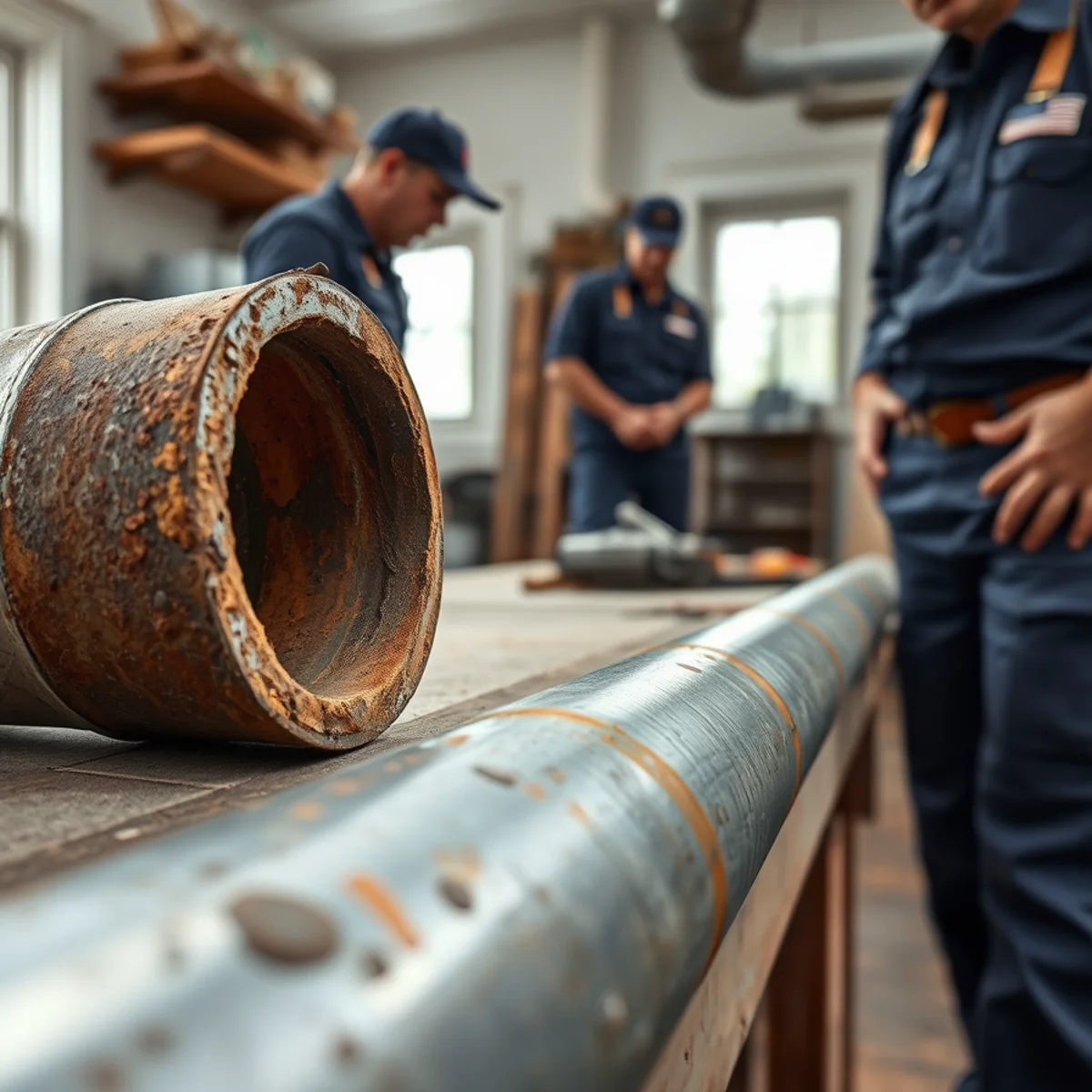
Sometimes the fix is better insulation or rerouting a vulnerable line. In older homes with failing or poorly run supply lines, repiping that section with properly insulated, better-routed pipe ends the yearly gamble for good. A plumber can tell you which makes sense for your home.
Stay Ahead of the Freeze
A little prevention now beats a flooded basement in January.
Insulate your exposed pipes, seal the drafts, and let a faucet drip when it gets truly cold. If a pipe freezes and you are not sure what to do, or one has already burst, Roto Drains is here around the clock. We are locally owned, fully insured, and a real person answers every call, 24/7. For frozen or burst pipes anywhere in the Mohawk Valley, call Roto Drains at (207) 419-2600.
Frequently Asked Questions
At what temperature do pipes freeze?
Does letting a faucet drip really prevent frozen pipes?
Why do frozen pipes burst when they thaw?
Written by the Roto Drains team — licensed & insured plumbers serving Herkimer & the Mohawk Valley, 24/7.
Roto Drains is a full-service plumbing, drain cleaning, water cleanup and restoration company. We specialize in emergency same-day service and can handle any job from a clogged toilet to a full sewer, water main, well, septic, cesspool replacement and everything in between. Open 24/7!