Herkimer County is full of beautiful old houses. Little Falls alone has streets of homes built when the mills were running — solid, full of character, and plumbed with materials nobody installs anymore.
If your water runs brown for a few seconds every morning, your pressure has quietly faded, or you have patched the same pipe twice, the plumbing is telling you its age.
The question is whether you keep patching or bite the bullet and repipe. Here is how to decide.
What is likely hiding in your walls
Homes built before the 1970s around here were plumbed with materials that have a shelf life. Knowing what you have narrows the decision fast.
Galvanized steel
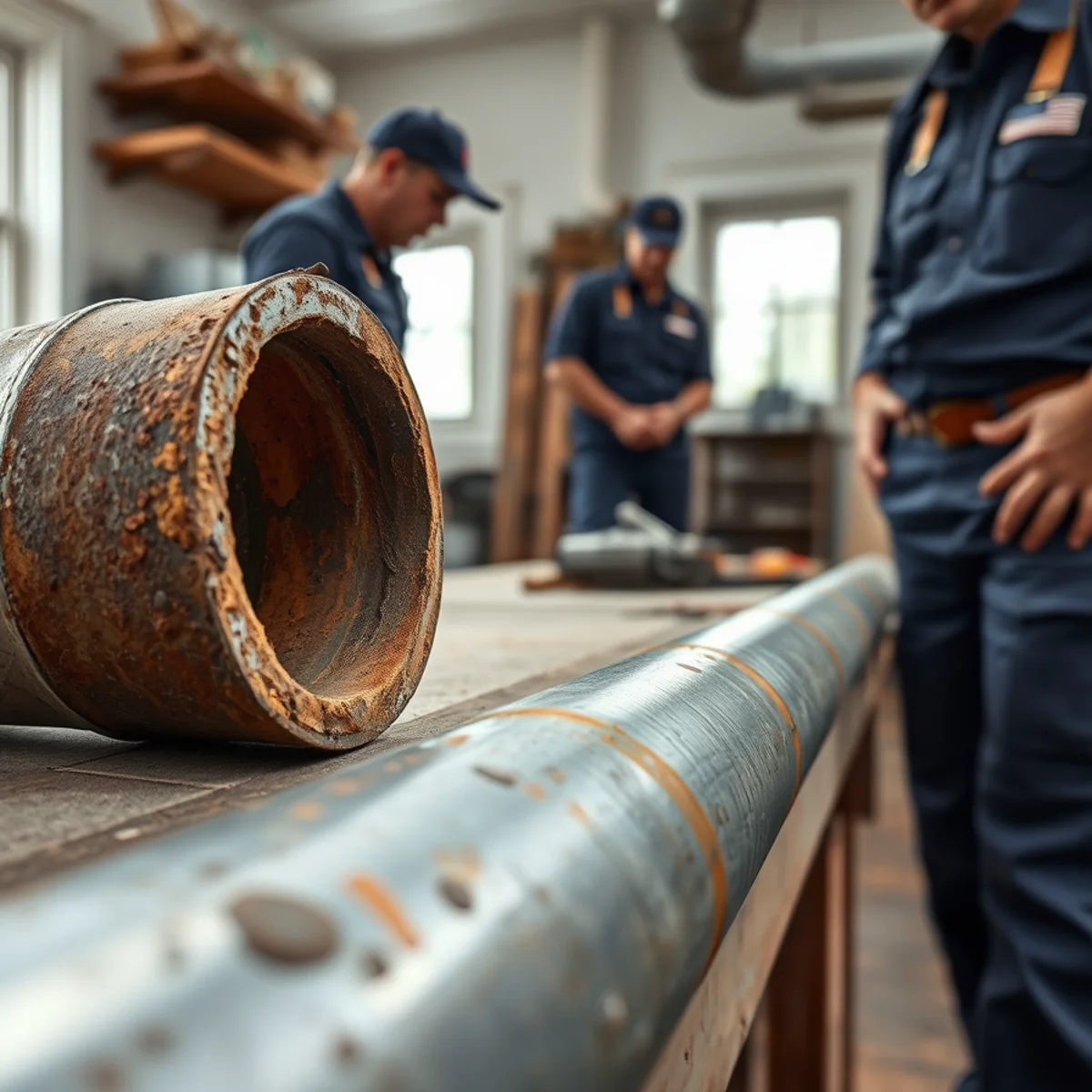
Galvanized steel was standard through the mid-1900s. It is steel pipe coated in zinc, and the zinc does not last.
From the inside, these pipes rust and scale up. The opening narrows year after year until a three-quarter-inch pipe flows like a straw. That is why so many old homes have weak pressure upstairs — the pipe is choked with corrosion you cannot see.
Galvanized also sheds rust into your water. If your first draw in the morning is brown or metallic, this is usually why.
Old copper
Copper is a good material and can last decades. But copper installed in the mid-century era is now well into old age, and our water chemistry matters.
Homes on private wells — common once you get out toward the rural towns — sometimes have acidic or mineral-heavy water that eats copper from the inside. The result is pinhole leaks: tiny, sudden sprays that show up one at a time and then keep coming.
Cast iron drains
The waste side of an old house is often cast iron. It corrodes from the inside, scales up, and eventually cracks. Slow drains, recurring backups, and sewer smells in a basement are the usual signs.
The warning signs your pipes are near the end
Watch for these:
Brown or rusty water, especially on the first draw of the day.
Water pressure that has dropped across the whole house, not just one fixture.
Pinhole leaks — once you get one in old copper, more tend to follow.
Repeated leaks on the same runs of pipe.
A metallic taste, or visible corrosion and green or white crust on exposed pipe in the basement.
One of these might be a simple repair. Three or four together usually mean the system is failing as a whole.
When patching makes sense
Not every old pipe needs to be ripped out. Repair is the right call when:
The problem is isolated — a single failed section, one leaky joint, one damaged run you can reach.
The rest of the system is a sound material in good shape.
You have a supply issue at the street or a single service line, where a targeted water line repair fixes the actual fault without touching the whole house.
If the bones of the plumbing are good and one spot went bad, patch it and move on. We will tell you honestly when that is the case instead of selling you a project you do not need.
When a whole-house repipe is the smart money
Replacement wins when you are patching the same system over and over.
Do the math on repeated repairs. Two or three pinhole leaks a year in old copper, or galvanized so scaled you get a trickle upstairs, is money spent with no end in sight. Each leak also risks water damage to plaster, floors, and ceilings — and in an old home, that damage is expensive to undo.
A whole-house repipe replaces the failing supply lines in one planned job. You get full pressure back, clean water, and you stop gambling on the next leak.
There is a hidden cost to waiting, too. A pinhole leak inside a wall can run for days before you notice. That is exactly the kind of slow soak that leads to a call for water cleanup and restoration — and being plumbers who also dry out the damage, we would rather fix the pipe before it floods your dining room.
PEX vs. copper
If you repipe, you will choose between the two common modern materials.
Copper is proven and long-lived. It handles heat well and many homeowners trust it. It costs more in both material and labor, and it can still be vulnerable to aggressive water chemistry.
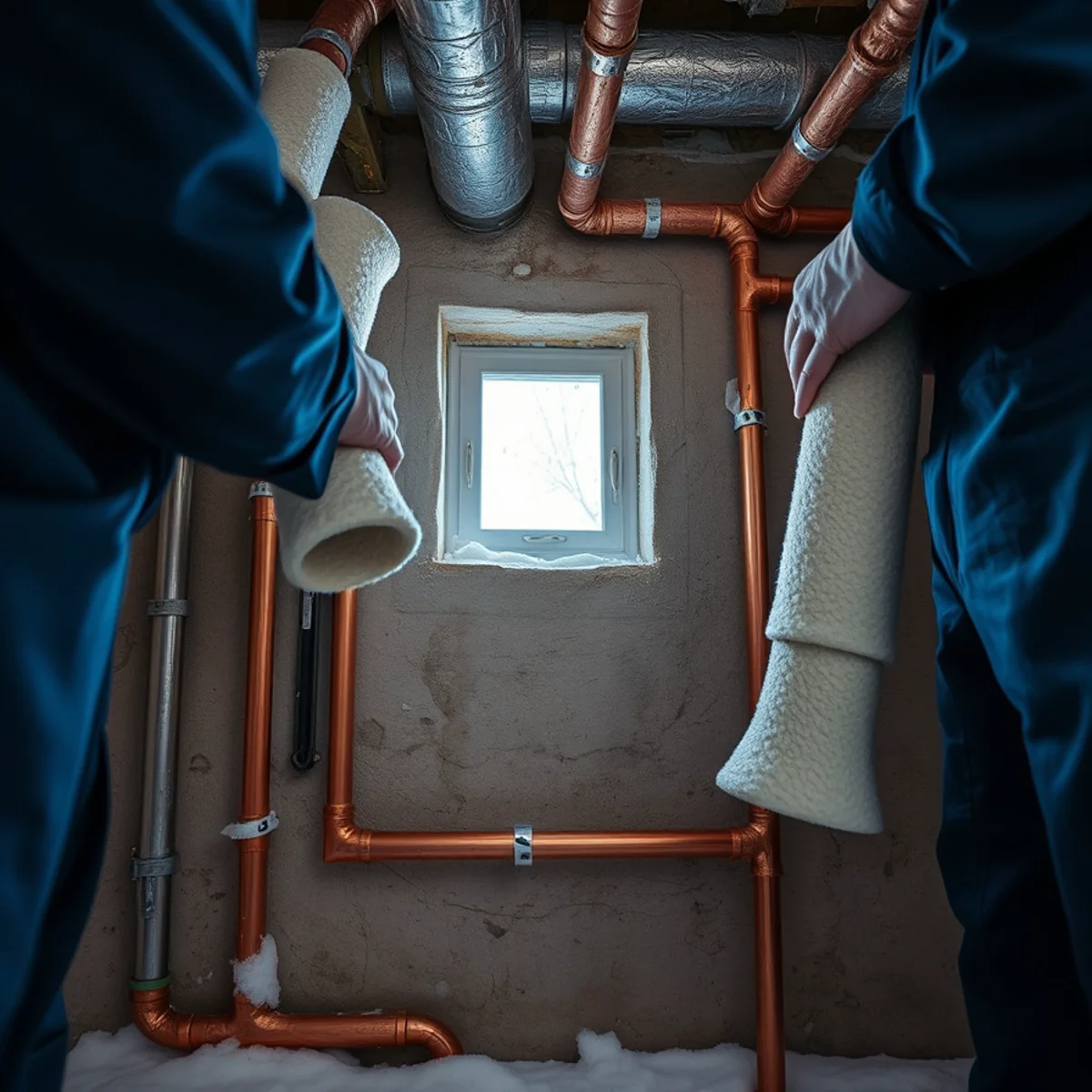
PEX is flexible tubing that has become the workhorse of modern repiping. It resists the scale and corrosion that killed your old pipes, tolerates our freezing winters better because it can flex slightly instead of splitting, and it snakes through walls with fewer openings — which matters a lot in a historic home.
There is no single right answer. It depends on your water, your budget, and your house. We walk you through the trade-offs and give you a straight recommendation.
Protecting the character while you fix the plumbing
Owners of historic homes in Little Falls and Herkimer worry about the same thing: tearing up original plaster, trim, and floors to chase pipe.
Good planning avoids most of it. PEX needs fewer access points. We map the runs, open the smallest number of spots we can, and work around the details that make your house worth keeping. The goal is modern plumbing behind old walls, with the character intact.
Get an honest read on your pipes
The only way to know whether you are looking at a repair or a repipe is to have someone who has seen a hundred old Herkimer homes actually look at yours. We will tell you what you have, what is failing, and what it will realistically take to fix — with upfront pricing and your approval before any work begins.
If your old pipes are leaking, rusting, or losing pressure, call Roto Drains at (207) 419-2600 and we will help you decide the smart way forward.
Frequently Asked Questions
How long do galvanized steel pipes last?
Is PEX or copper better for an old Herkimer home?
Can I repipe without tearing up my plaster walls?
Written by the Roto Drains team — licensed & insured plumbers serving Herkimer & the Mohawk Valley, 24/7.
Roto Drains is a full-service plumbing, drain cleaning, water cleanup and restoration company. We specialize in emergency same-day service and can handle any job from a clogged toilet to a full sewer, water main, well, septic, cesspool replacement and everything in between. Open 24/7!