That rotten-egg smell drifting through your house is sewer gas. And it is trying to tell you something.
Sometimes it is harmless and easy to fix. Sometimes it is the first warning of a cracked drain line or a failing septic system under your yard. The trick is knowing which one you are dealing with.
Here is how a master plumber tracks down a sewer smell, what causes it, and when that odor means real trouble.
What that sewer smell actually is
Your drain system is sealed off from your living space by design. Water-filled traps and a network of vent pipes keep sewer gas moving up and out through the roof, never back into your rooms.
When you smell sewer gas indoors, that seal has been broken somewhere.
Sewer gas is mostly a mix of methane, hydrogen sulfide, and other byproducts of decomposition. The rotten-egg note is the hydrogen sulfide. In small amounts it is mainly unpleasant. In larger amounts, in a closed basement or crawlspace, it becomes a health and even an explosion hazard. That is why a smell that lingers is worth chasing down instead of covering up.
The most common causes, from simple to serious
Start with the cheap, easy culprits before you assume the worst.
A dried-out P-trap
Every drain in your home — sinks, tubs, showers, floor drains — has a U-shaped trap that holds a plug of water. That water is the barrier that blocks sewer gas.
Use a fixture rarely and that water evaporates. Then the gas walks right in.
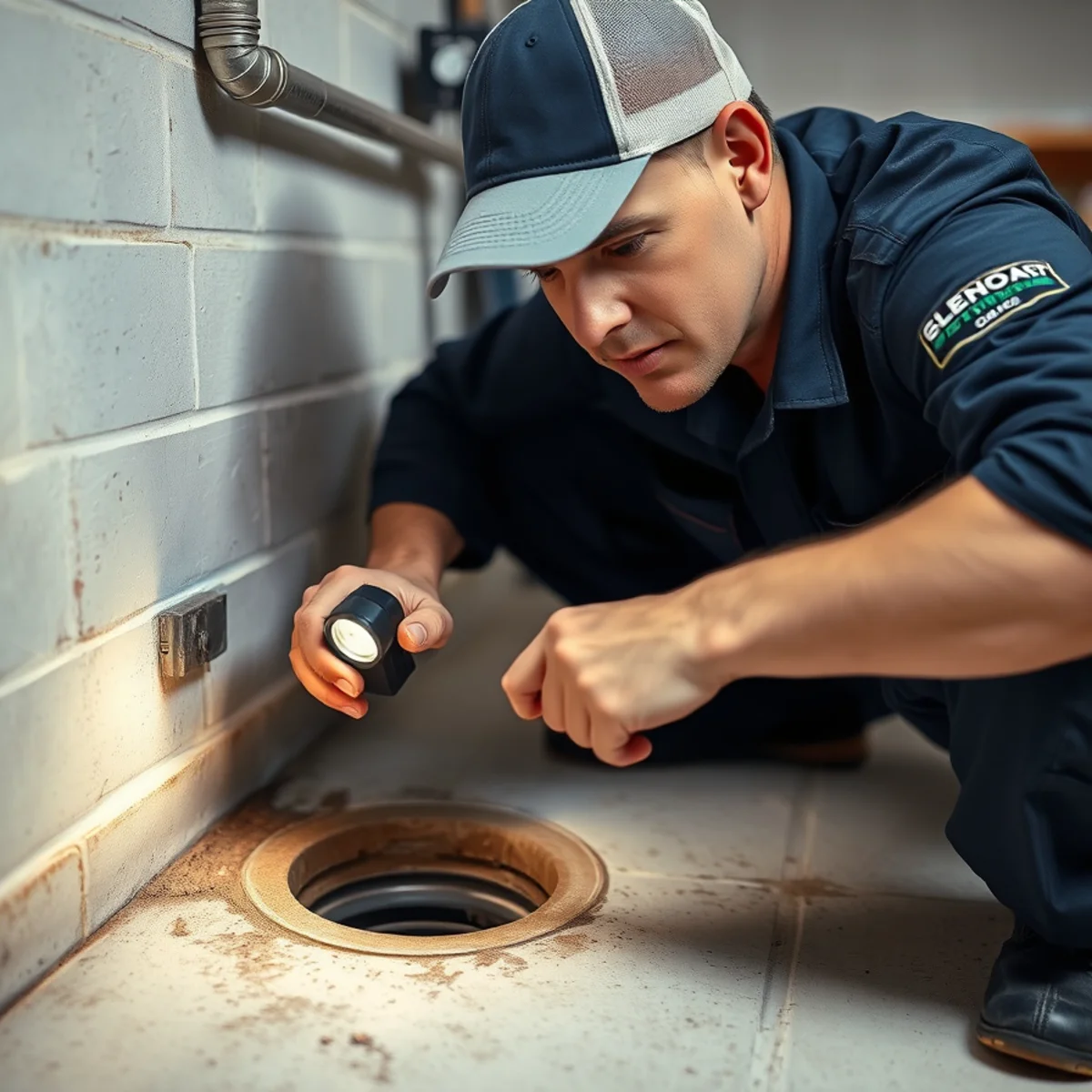
This is the number one cause of a mystery smell in Mohawk Valley homes, especially in a guest bathroom, a basement floor drain, or a laundry sink nobody touches for weeks. Run water down every drain for thirty seconds. If the smell fades over the next day, a dry trap was your answer.
Basements make this worse in winter. Dry, furnace-heated air evaporates trap water faster, so that seldom-used floor drain gives up its seal by February.
A failed toilet wax ring
If the smell lives in one bathroom and gets stronger near the toilet, suspect the wax ring — the seal between the toilet base and the flange on the floor.
When that ring dries out, shifts, or the toilet rocks loose, sewer gas escapes around the base. You may also see water seeping onto the floor at the base after a flush. Left alone, that slow leak rots the subfloor.
Vent stack problems
Your plumbing vents run up through the roof to let the system breathe. If a vent is blocked — by a bird nest, leaves, ice, or a collapsed section — traps get siphoned dry and gas backs up into the house.
Up here, winter is the usual suspect. A vent can frost over or ice shut during a hard Herkimer County cold snap, and suddenly the whole house smells faintly of sewer every time a big fixture drains.
Cracked or broken drain lines
Older homes hide old pipe. A cracked drain line inside a wall, under a slab, or in a crawlspace lets gas leak out long before it ever leaks water you can see.
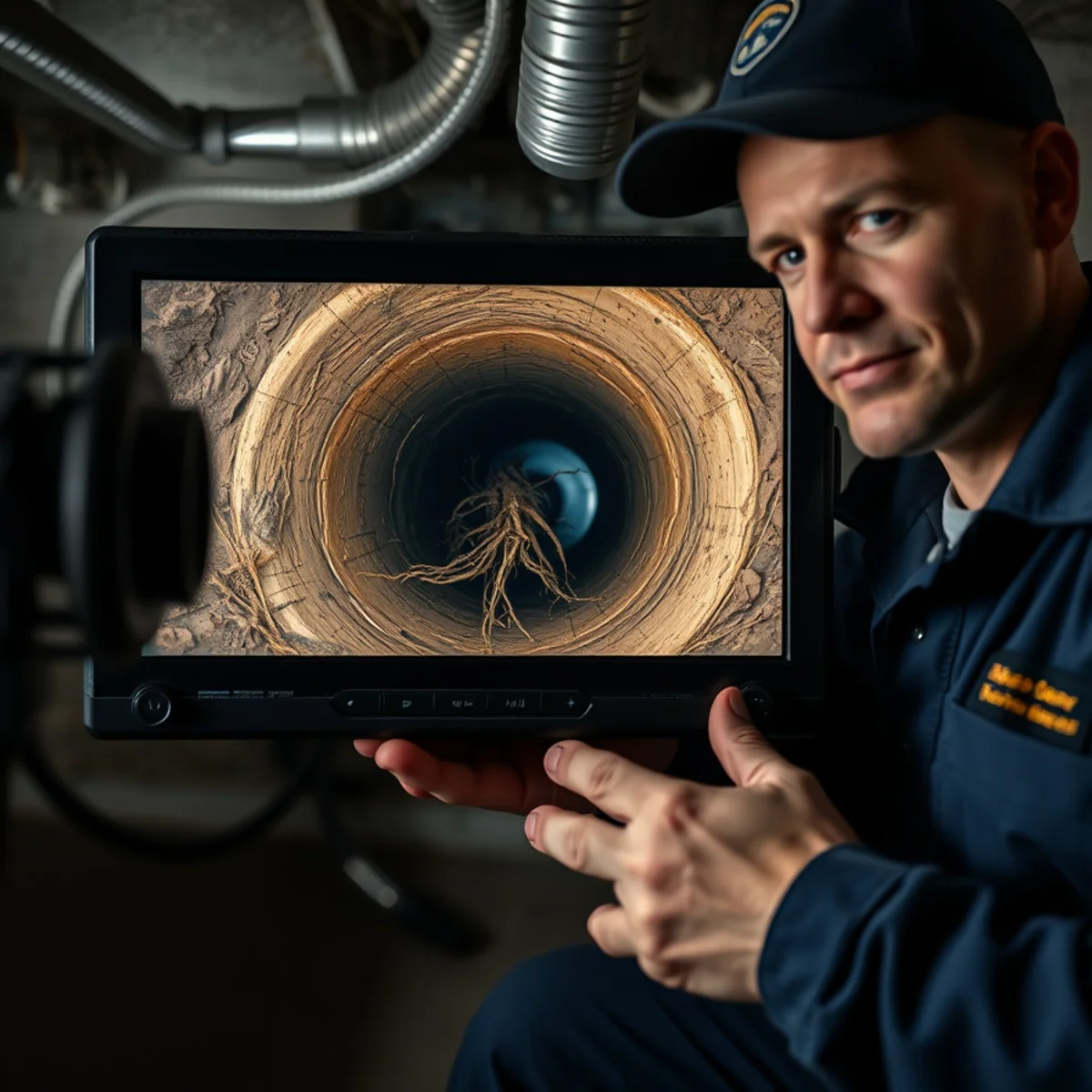
Cast iron from the mid-century era corrodes from the inside out and eventually splits. This is where a smell stops being a quick fix and becomes a repair. A sewer camera inspection is how we find the exact break without tearing open walls to guess.
Sewer or septic system failure
When the smell is strongest in the basement, near the main drain, or outside near the yard, the problem may be the main line or the septic system itself.
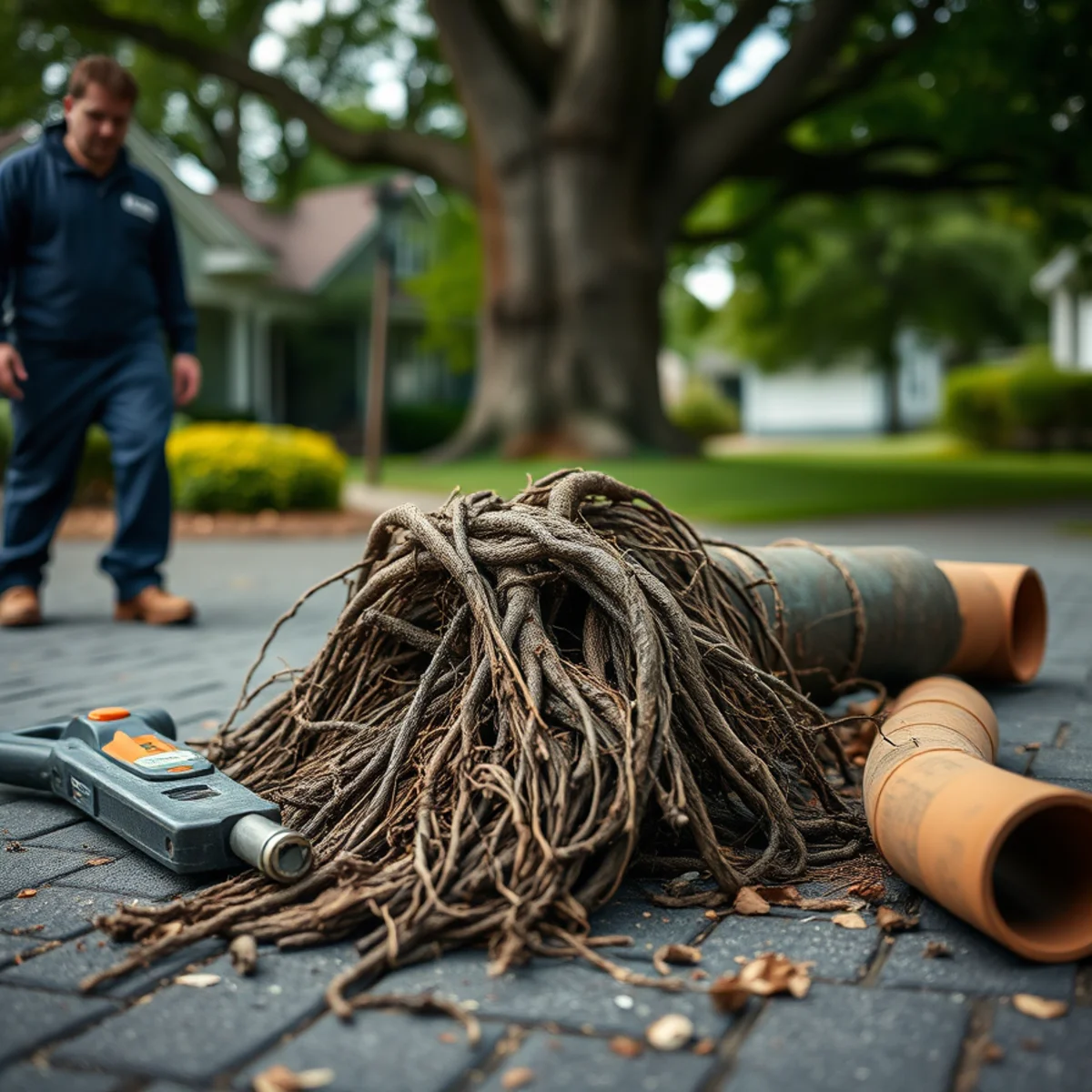
A partial clog, a sagging pipe, or tree roots in the lateral can let gas push back toward the house. On the sewer line repair side, a cracked main is both a smell problem and a backup waiting to happen.
If you are on septic — and plenty of homes around Mohawk and the outlying towns are — a sewer smell can mean a full tank, a failing baffle, or a saturated drain field. Our septic and cesspool services start with finding out which.
How to track down the source
Work from cheap to expensive.
Run water in every sink, tub, shower, and floor drain to refill the traps. Flush every toilet. Give it a day.
Still smells? Notice where it is strongest. One room points to a fixture or a wax ring. The whole house points to a vent. The basement or yard points to the main line or septic.
Check around toilet bases for rocking or water. Look for a floor drain nobody uses. Sniff near any cleanouts.
If the smell survives all that, it is time to bring in a camera and a pro. Guessing gets expensive fast.
When the smell means real trouble
Call a plumber the same day if:
The odor is strong in the basement and paired with slow drains or gurgling.
You smell it outside near the septic tank or drain field, or the grass there is soggy and unusually green.
Multiple drains back up when you run water or do laundry.
The smell keeps returning no matter how many traps you refill.
Those are signs the problem is in the main line or the system, not a single dry trap. We serve Herkimer, Mohawk, and the surrounding towns around the clock, and a real person answers when you call — never an answering service.
Fix the source, not just the smell
Air fresheners and bleach only hide sewer gas. The odor comes back because the broken seal or cracked pipe is still there.
We find the actual source, tell you what it will take to fix it, and get your approval before any work starts. Honest pricing, no surprises. If it turns out to be a dry trap, we will tell you that too.
If a sewer smell in your house will not quit, do not live with it and do not guess. For help finding the source and fixing it right, call Roto Drains at (207) 419-2600 any hour of the day or night.
Frequently Asked Questions
Is sewer gas in my house dangerous?
Why does my bathroom only smell like sewage sometimes?
Can a dry floor drain really stink up a whole room?
Written by the Roto Drains team — licensed & insured plumbers serving Herkimer & the Mohawk Valley, 24/7.
Roto Drains is a full-service plumbing, drain cleaning, water cleanup and restoration company. We specialize in emergency same-day service and can handle any job from a clogged toilet to a full sewer, water main, well, septic, cesspool replacement and everything in between. Open 24/7!