Roots Go Where the Water Is
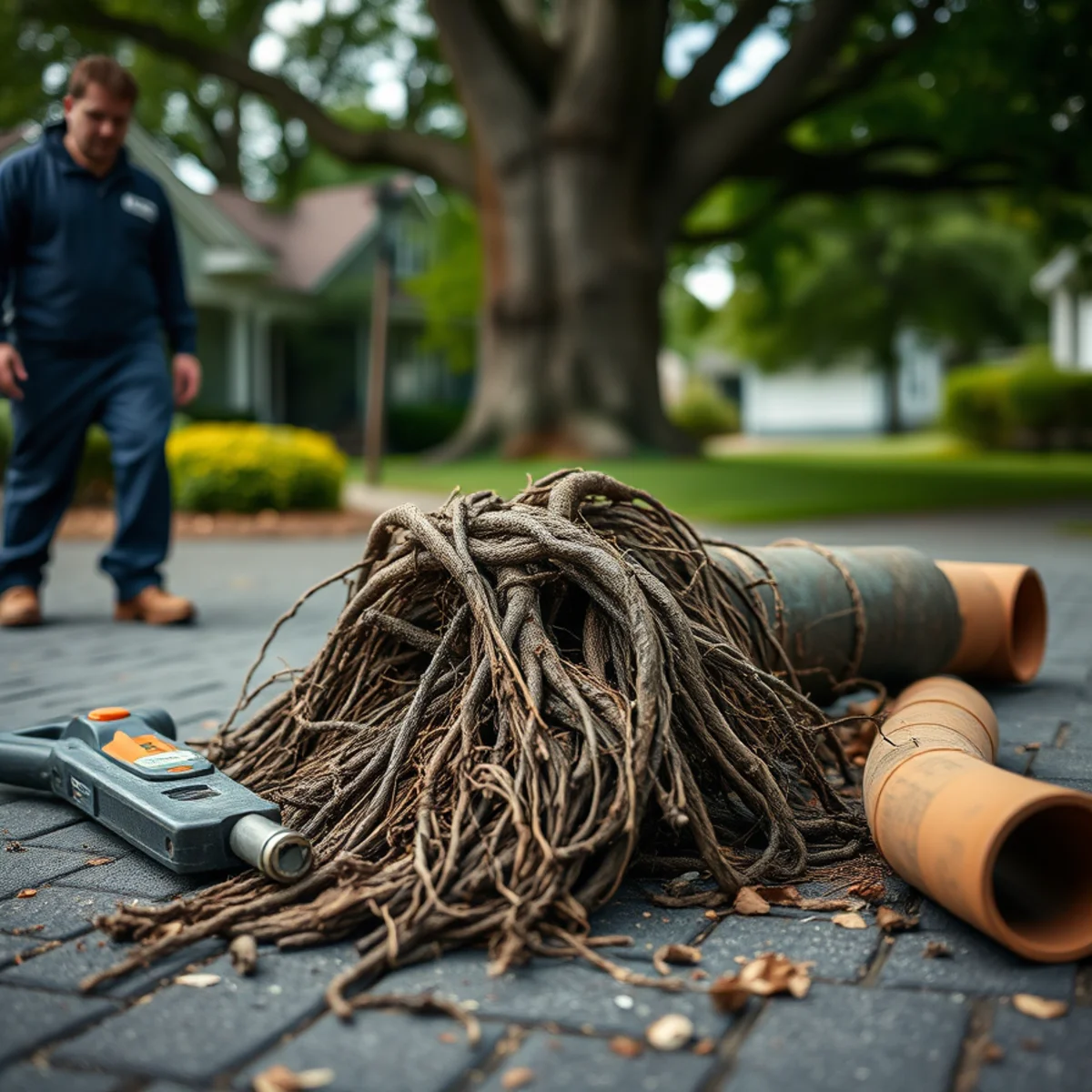
Your sewer line is full of exactly what a tree wants: water, nutrients, and warmth. In the Mohawk Valley, where mature trees line a lot of older streets, that is a recipe for roots finding their way into your pipe.
Tree roots are one of the most common and most damaging causes of sewer trouble in older neighborhoods. Left alone, they go from a minor snag to a completely blocked or broken line.
Here is why it happens, how to spot it early, and what actually fixes it.
Why Roots Get Into Sewer Lines
Roots do not attack a healthy, sealed pipe out of nowhere. They follow moisture.
A sewer line gives off warm water vapor, especially in winter when the ground is cold. Roots grow toward that warmth and moisture. When they reach a pipe, they slip in through the smallest opening: a loose joint, a hairline crack, or a gap where the pipe has shifted.
Older Herkimer and Little Falls homes are prime targets. Their laterals are often clay or old cast iron, joined every few feet with connections that loosen over decades. Clay pipe in particular has many joints, and every joint is a door. Once a root hair gets in, it grows into a thick mass that catches everything flushed down the line.
Warning Signs of Roots in Your Line
Roots rarely block a pipe overnight. They give you signals first, if you know them:
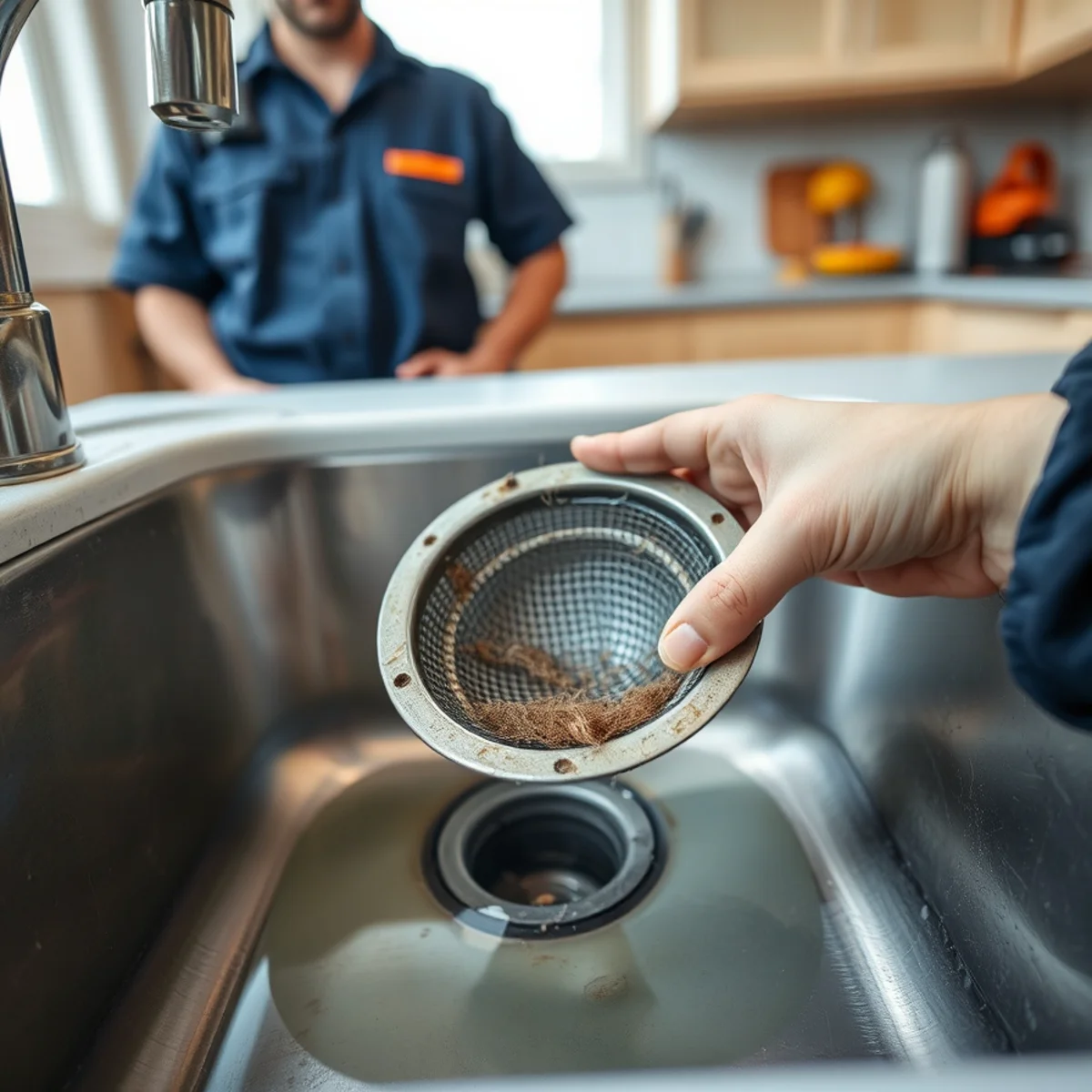
- Gurgling sounds from the toilet, especially when a tub or washer drains
- Slow drains throughout the house, not just one fixture
- Repeat clogs in the same line a few weeks after every clearing
- Sewage odor in the yard, or a soggy, extra-green patch of lawn over the line
- More than one fixture backing up at the same time
- A toilet that bubbles or drops in level on its own
The tell-tale sign is the repeat clog. If a drain keeps backing up no matter how often it is snaked, roots are near the top of the suspect list.
Confirming It Is Roots
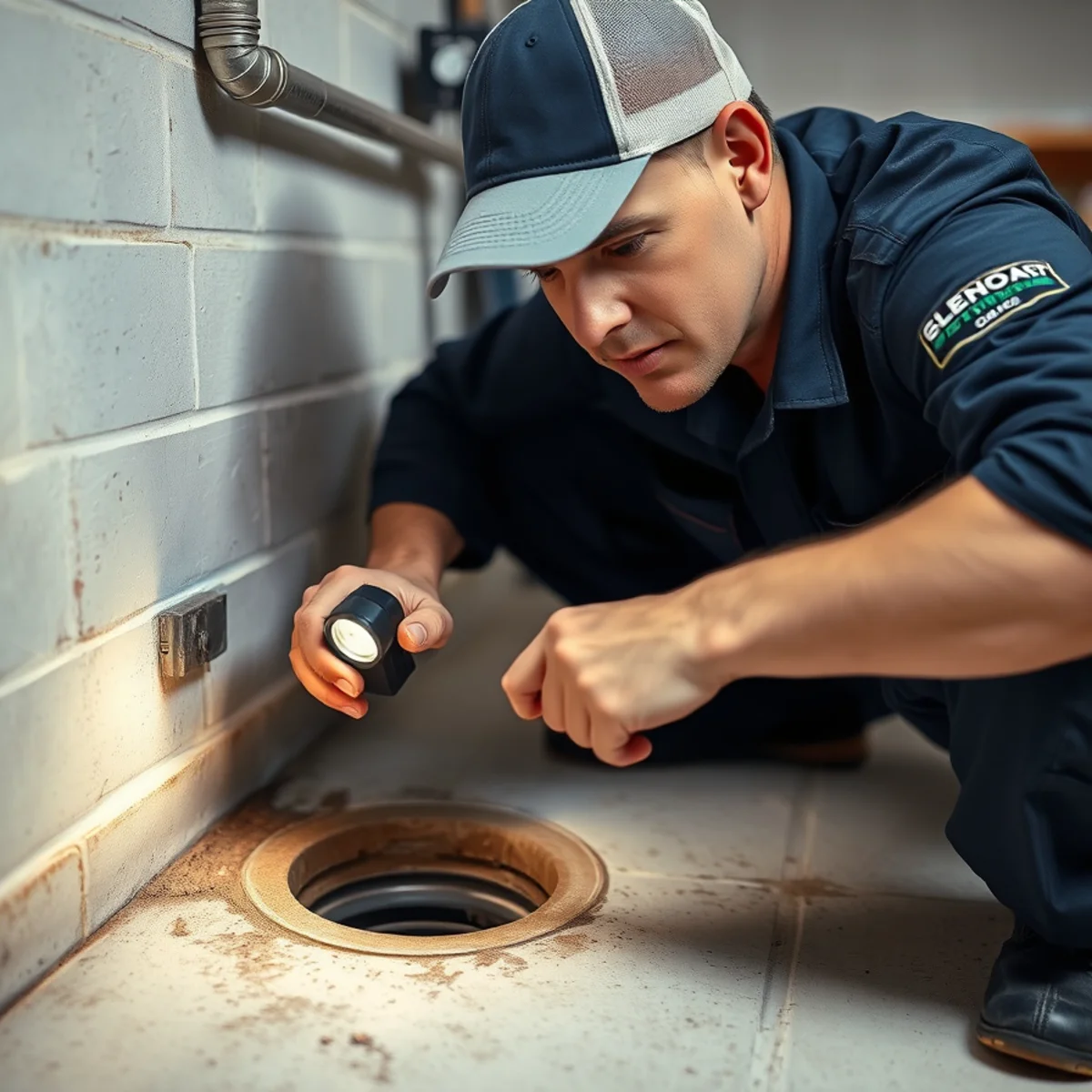
You cannot fix what you cannot see. Before any work, we run a camera down the line.
The camera shows whether it is roots or something else, exactly where they are getting in, and what shape the pipe is in around them. That last part matters, because roots almost always mean there is already a crack or bad joint, and the fix depends on how damaged the pipe is. Guessing wastes money on the wrong solution.
Removing the Roots
Once we confirm roots, there are two main ways to clear them.
Mechanical cutting. A powered auger with a cutting head runs down the line and shreds the root mass, reopening the pipe. It works fast and restores flow, but it cuts the roots off rather than removing every bit, so they can grow back.
Hydro jetting. Hydro jetting blasts high-pressure water through the line, cutting roots and scouring the pipe walls clean back to bare pipe. It removes far more of the root mass than cutting alone and clears the sludge that feeds regrowth. For a root-filled line, jetting gives a cleaner, longer-lasting result.
Both clear the blockage. Neither closes the crack the roots came through, which is why removal is only half the job.
Permanent Fixes
If you only cut the roots, they come back, because the opening is still there. To end the problem for good, you have to seal or replace the damaged pipe.
Spot repair. If the damage is limited to one joint or a short section, we access just that spot and replace it. It is the targeted fix for a single bad connection.
Trenchless repair. For a line with roots at several joints or longer damage, lining the pipe creates a smooth, jointless interior that roots cannot penetrate, with little digging. It seals every joint at once. When the pipe is too far gone, pipe bursting replaces the whole line. Either way, a sewer line repair done right stops the roots from coming back.
Which one fits depends on what the camera shows, and we will lay out the options and the honest tradeoffs before you decide.
Preventing Root Intrusion
You cannot make your trees stop growing, but you can lower the risk:
- Know where your sewer line runs, and avoid planting trees or large shrubs over or near it
- If you are landscaping, keep the thirstiest, fastest-growing trees well away from the line
- Have the line cleared and camera-checked periodically if you have big trees and older pipe
- Fix small cracks and loose joints before roots find them
- Address repeat clogs early instead of snaking the same line year after year
Regular maintenance on an at-risk line is far cheaper than an emergency dig after a full collapse.
Get Ahead of the Roots
Tree roots in a sewer line only get worse with time. Catching them early keeps you from a backed-up basement and a bigger repair.
At Roto Drains, we camera the line to confirm the roots, clear them with the right tool, and give you honest options to keep them out for good. We are locally owned, fully insured, and available 24/7 with a real person on the line. If you suspect roots in your sewer line anywhere in the Mohawk Valley, call Roto Drains at (207) 419-2600.
Frequently Asked Questions
What are the first signs of tree roots in a sewer line?
Does cutting the roots fix the problem for good?
How do roots get into a sewer pipe?
Written by the Roto Drains team — licensed & insured plumbers serving Herkimer & the Mohawk Valley, 24/7.
Roto Drains is a full-service plumbing, drain cleaning, water cleanup and restoration company. We specialize in emergency same-day service and can handle any job from a clogged toilet to a full sewer, water main, well, septic, cesspool replacement and everything in between. Open 24/7!