Fix the Pipe, Keep Your Yard
For a long time, a broken sewer line meant one thing: a backhoe, a long trench across your yard, and weeks of putting your driveway and landscaping back together.
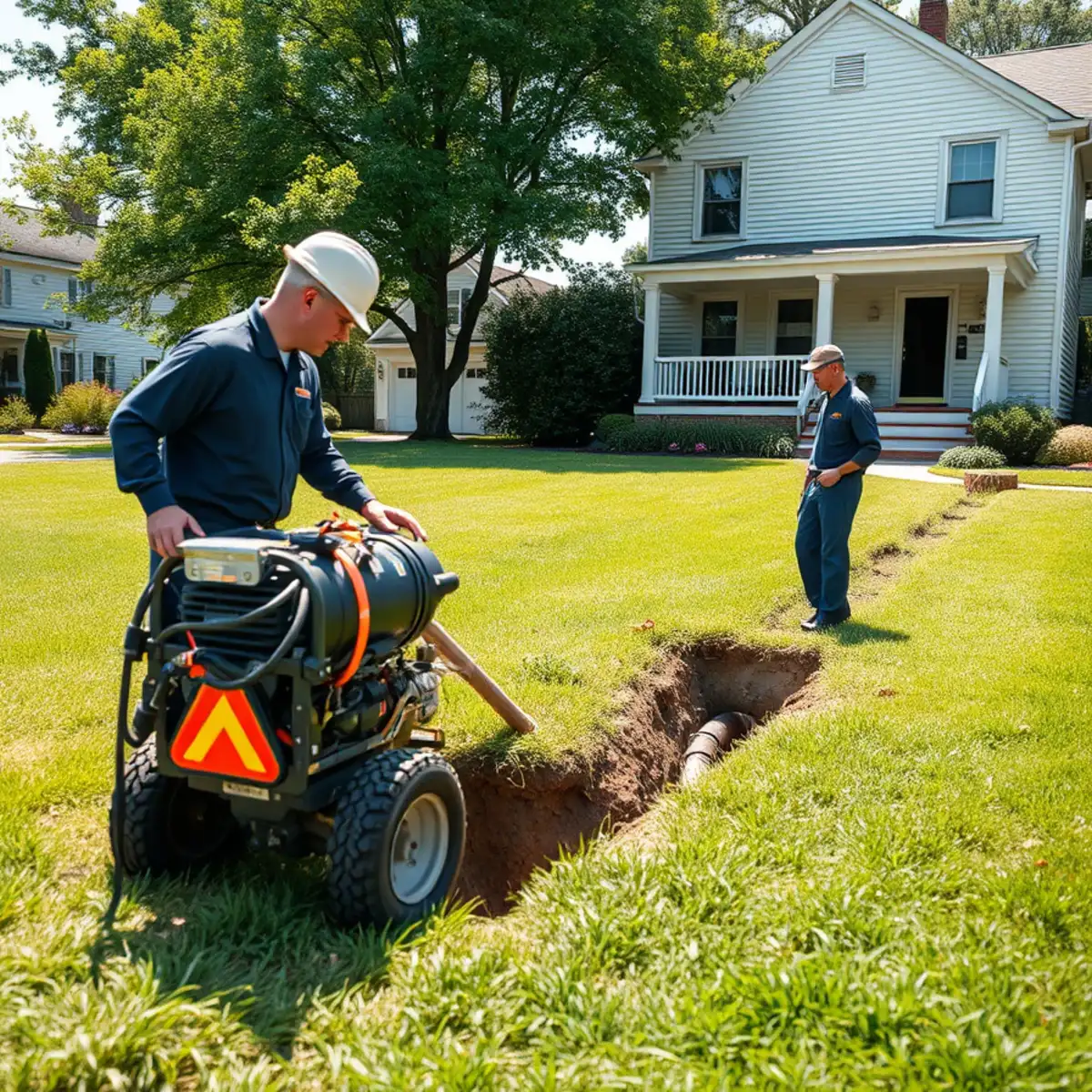
Trenchless sewer repair changed that. It fixes or replaces the pipe underground through one or two small access points, with little or no digging. Your lawn, driveway, and walkway stay mostly intact.
Here is how it works, when it is the right call, and how the real cost compares once you count everything.
What Trenchless Sewer Repair Means
Traditional repair digs down the entire length of the pipe to reach it. Trenchless does the work from inside the existing line, or from small access pits at each end.
Less digging means less destruction. There is no long trench, no torn-up driveway, and the crew is usually done in a fraction of the time. For a lot of homes, trenchless sewer repair is the difference between a one-day job and a week of heavy equipment in the yard.
There are two main methods.
Method 1: Pipe Lining (CIPP)
Cured-in-place pipe lining creates a new pipe inside the old one.
A resin-soaked flexible liner is pulled or inflated into the existing pipe, then cured hard, usually with heat or UV light. When it sets, you have a smooth, jointless new pipe bonded to the inside of the old one.
Lining works well when:
- The old pipe is cracked, leaking, or root-infiltrated but still mostly in line
- You want to seal out roots at the joints
- The pipe has not collapsed or badly shifted
The new liner has no joints for roots to find, and it actually improves flow because the inside is smooth. It slightly reduces the pipe diameter, but on most residential lines that does not matter.
Method 2: Pipe Bursting
When the old pipe is too far gone to line, pipe bursting replaces it entirely without a trench.
A cone-shaped bursting head is pulled through the old pipe. It breaks the old pipe outward into the surrounding soil while pulling a new pipe in right behind it. You end up with a full new line, often larger than the old one.
The replacement is usually a continuous length of HDPE pipe, fused into one piece with no joints for roots to exploit. For a failing clay or cast iron lateral, that is about as close to a brand-new sewer as you can get without the trench.
Bursting is the answer when:
- The pipe has collapsed or is badly deformed
- The line is severely corroded or crushed
- You want to upsize the pipe
What Qualifies for Trenchless and What Does Not
Trenchless is not right for every line. Whether your situation qualifies depends on the pipe.
Good candidates:
- Cracks, leaks, and root intrusion
- Corroded cast iron or aging clay in reasonable alignment
- A single collapsed section with an otherwise sound line, for bursting
Not always candidates:
- A pipe with severe bellies or sags, since a liner follows the same low spot
- A line so misaligned or offset that a head cannot pass
- Certain depth, routing, or access limits
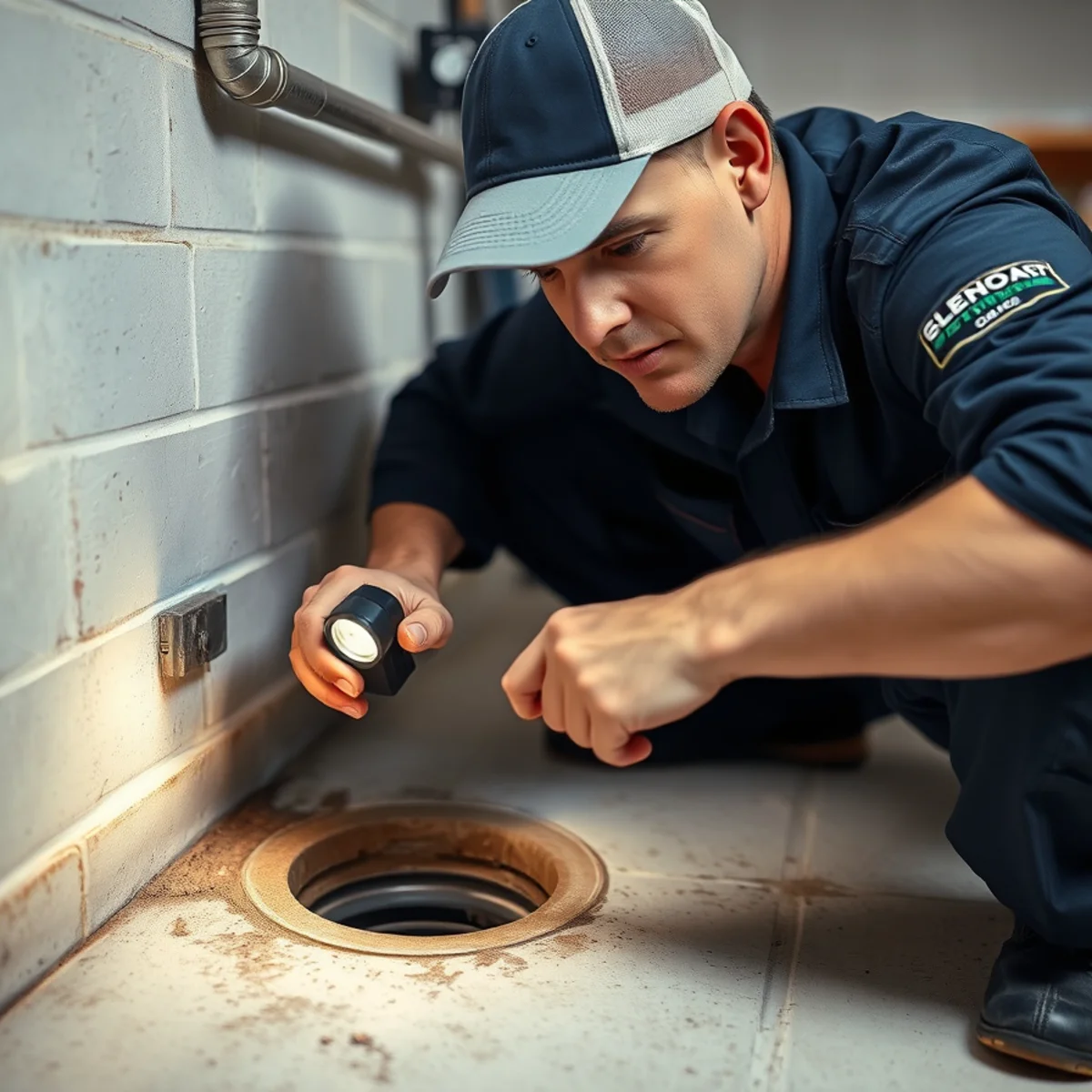
The only way to know is to look, which is why every trenchless job starts the same way.
Why It Always Starts With a Camera
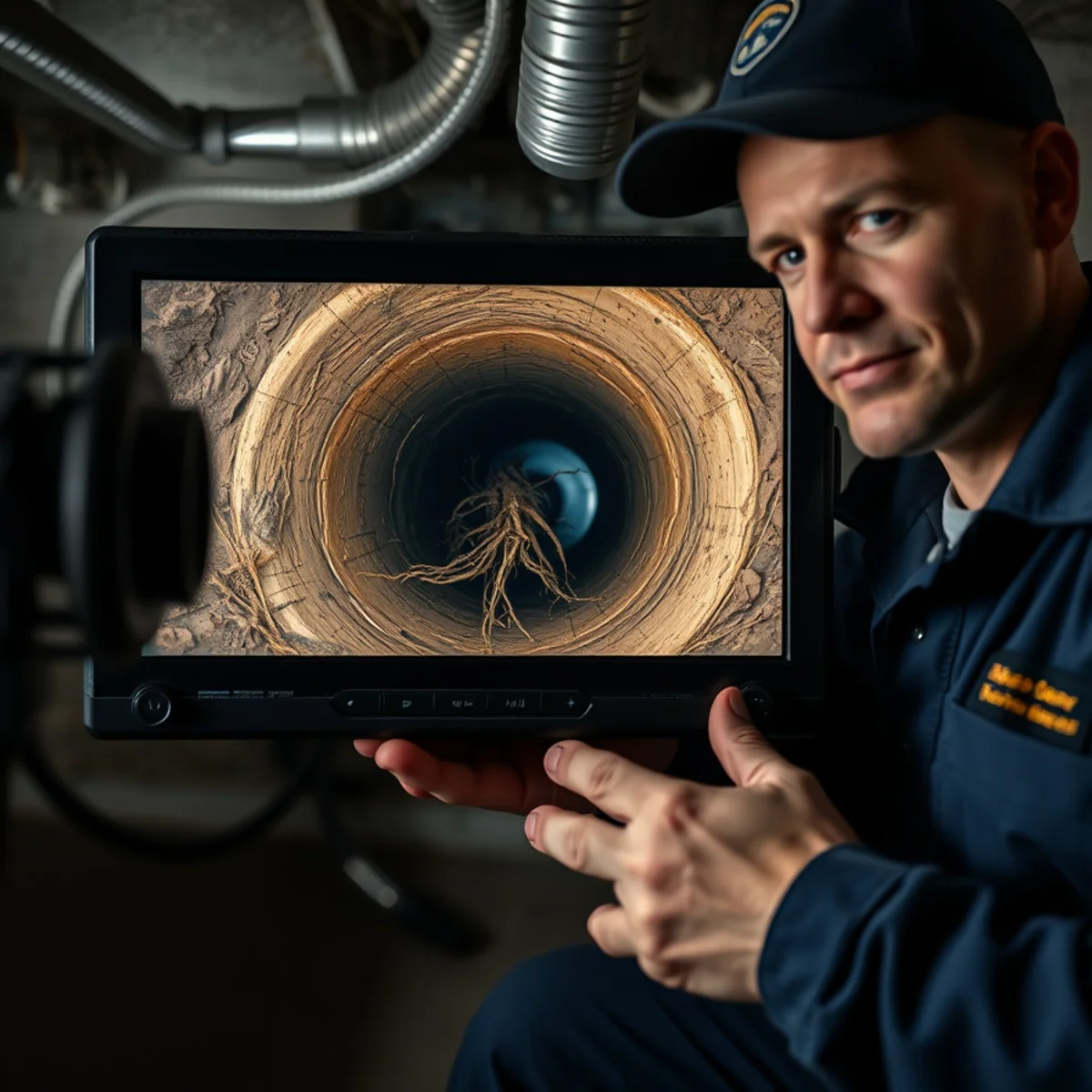
We never quote a trenchless repair blind.
First we run a sewer camera inspection down the line to see the material, the damage, the alignment, and whether the pipe can be lined, needs bursting, or has a belly that trenchless will not solve. The camera turns guesswork into a real plan and makes sure you are paying for the right fix.
The Real Cost Math
People often hear that trenchless costs more per foot than digging and stop there. That misses the full picture.
With traditional excavation, the pipe repair is only part of the bill. You also pay to put back everything the trench destroyed:
- Driveway or sidewalk concrete
- Landscaping, lawn, and mature plantings
- A deck, patio, or retaining wall in the way
- Days of labor and equipment on site
Trenchless skips most of that restoration because it barely disturbs the surface. When you add up the pipe plus the cleanup, trenchless is often the same or less overall, and it is far less disruptive. For a driveway or finished yard in Utica or Herkimer, the savings on restoration alone can be significant.
The honest factors that drive a trenchless quote include the length and depth of the line, the method needed, the access points, and the pipe condition. We walk you through all of it before any work starts.
Time and Disruption Saved
Beyond dollars, trenchless saves you the ordeal.
A traditional dig can tie up your property for days or a week. Trenchless is frequently a one-day job. Your water is back sooner, your yard survives, and you are not living next to an open trench and a pile of dirt.
That speed matters even more here. Digging a long trench through heavy Mohawk Valley clay, or worse, through frozen winter ground, is slow, messy, and expensive. Trenchless sidesteps most of that, which is a real advantage when a sewer fails in the middle of an Upstate cold snap.
Find Out If Trenchless Is Right for You
If you are facing a sewer line repair, it is worth knowing whether you can fix it without tearing up the yard.
At Roto Drains, we camera the line first, tell you honestly whether trenchless or a traditional sewer line repair is the better fit, and give you upfront pricing before we start. We are locally owned, fully insured, and available 24/7 across the Mohawk Valley. To see if your line qualifies for trenchless repair, call Roto Drains at (207) 419-2600.
Frequently Asked Questions
What is trenchless sewer repair?
Is trenchless sewer repair cheaper than digging?
Does every sewer line qualify for trenchless repair?
Written by the Roto Drains team — licensed & insured plumbers serving Herkimer & the Mohawk Valley, 24/7.
Roto Drains is a full-service plumbing, drain cleaning, water cleanup and restoration company. We specialize in emergency same-day service and can handle any job from a clogged toilet to a full sewer, water main, well, septic, cesspool replacement and everything in between. Open 24/7!